Roof replacement Urbandale, built for Iowa seasons
A roof replacement Urbandale homeowners consider usually starts with worn shingles, repeated leaks, or storm damage across more than one slope. This page describes a full tear-off replacement: old roofing removed down to the deck, sheathing inspected, ice barrier and underlayment installed, flashing renewed, and a new surface laid over balanced ventilation.
A replacement is a complete system, not just a new surface. The list below describes the parts of that system on an Urbandale roof. Anything beyond the listed scope, such as decking repair or skylight work, is described separately in the written scope before it is installed.
Full tear-off to deck
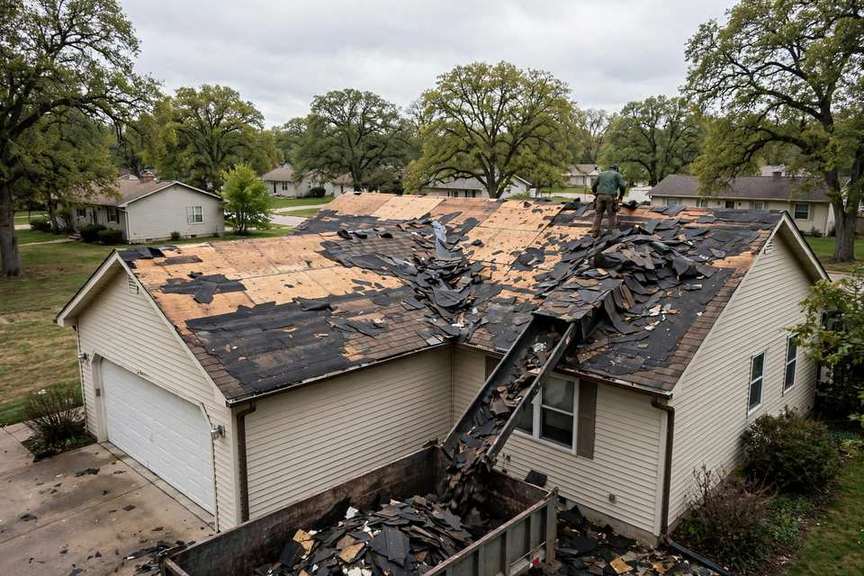
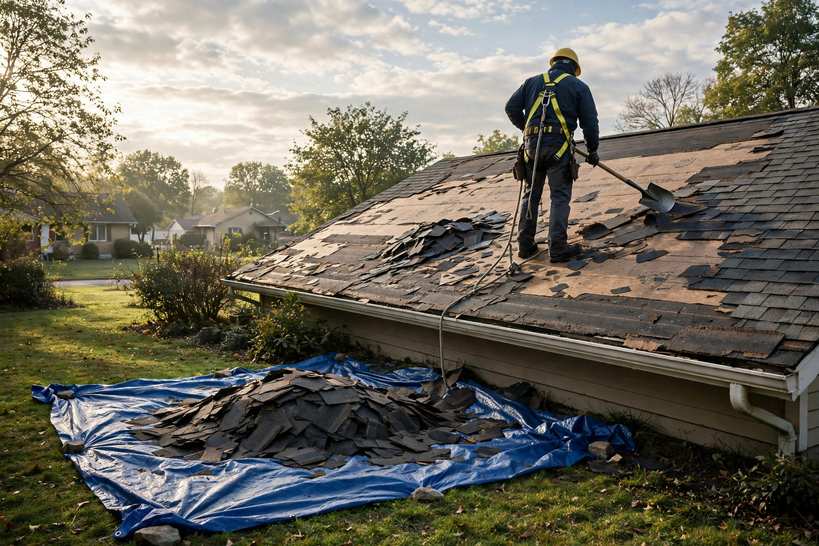
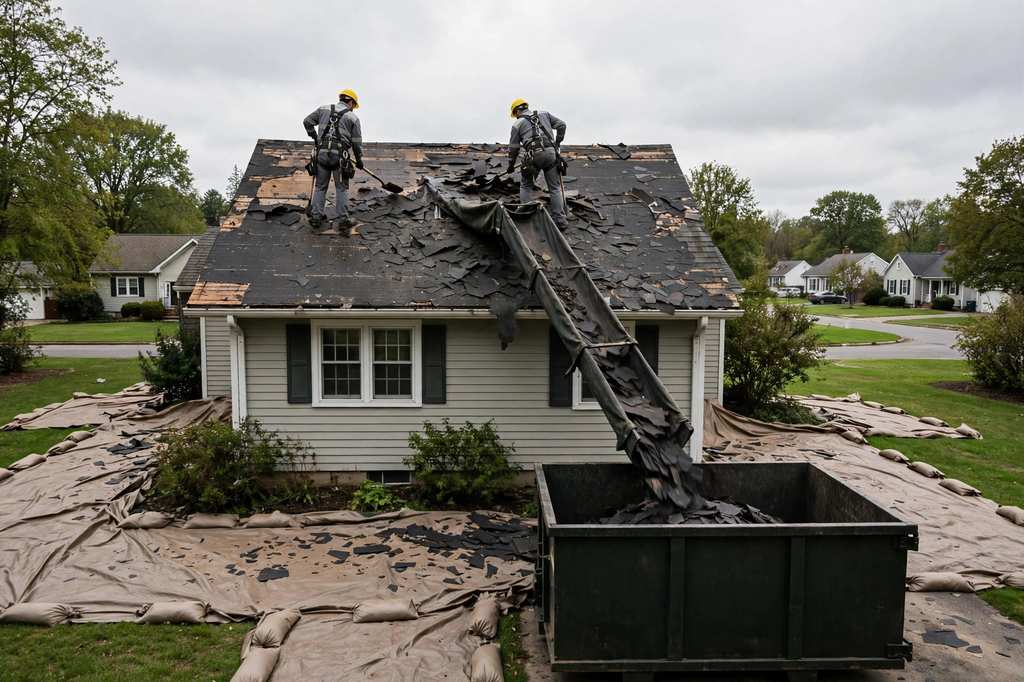
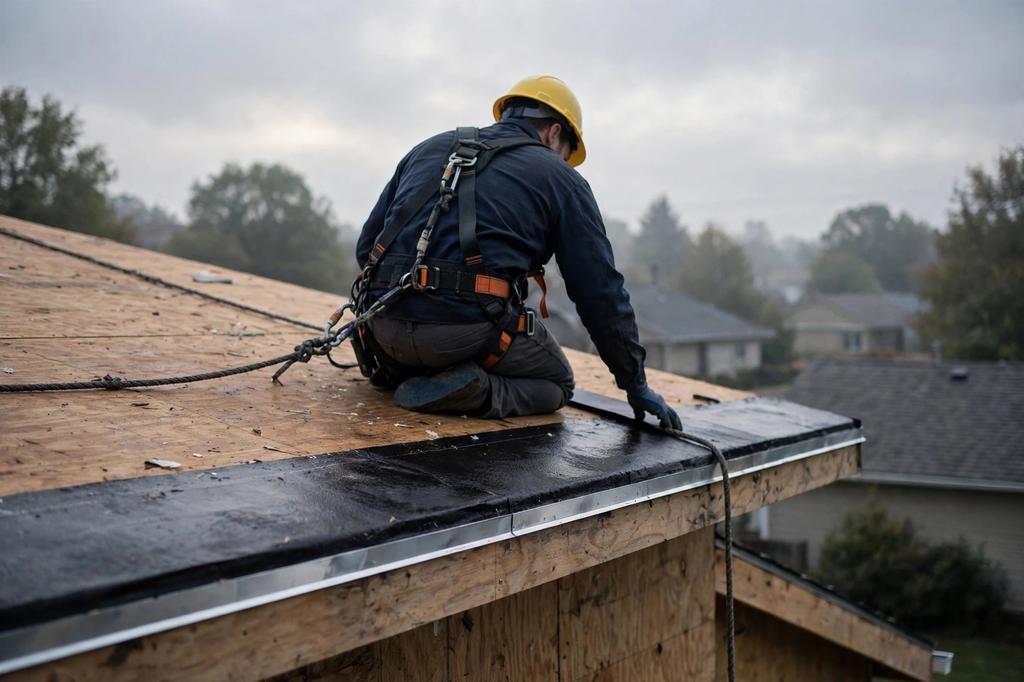
Old shingles and underlayment come off with pry bars and shingle cutters, and the sheathing is inspected for soft spots and rot before new material goes on.
Ice barrier at eaves and valleys
Urbandale design criteria designate ice shield as required. A self-adhering membrane goes along the eaves, valleys, and penetrations. At the eaves it extends at least 24 inches inside the exterior wall line under R905.1.2, and at least 36 inches along the slope on roofs of 8:12 pitch or steeper.
Synthetic underlayment
A full underlayment layer across the field gives the surface a stable base and a second barrier against wind-driven rain.
New flashing and vent boots
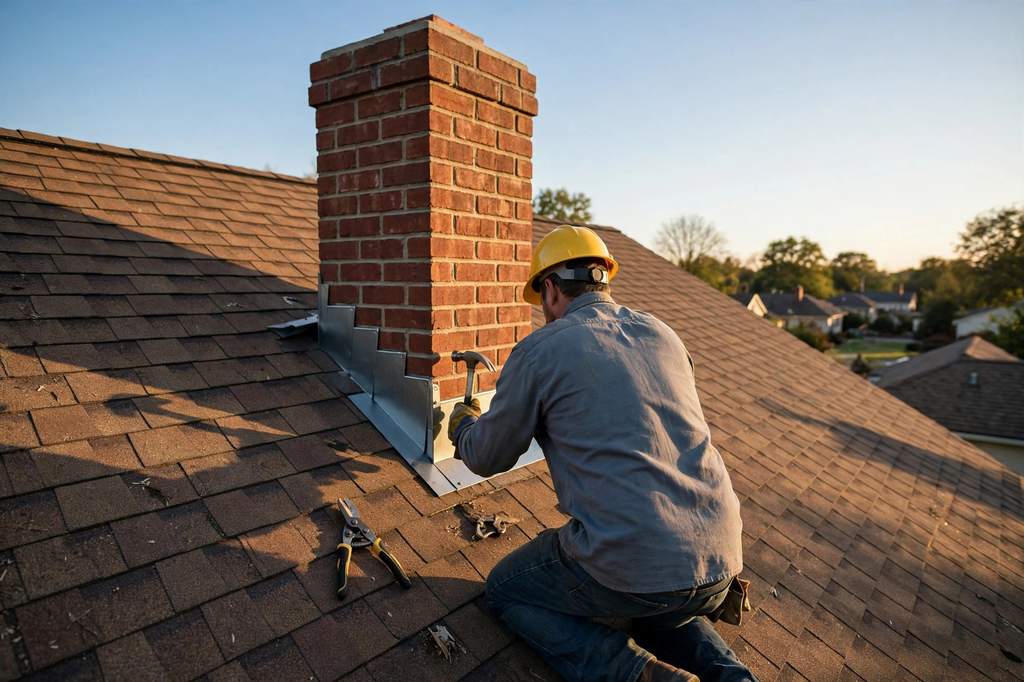
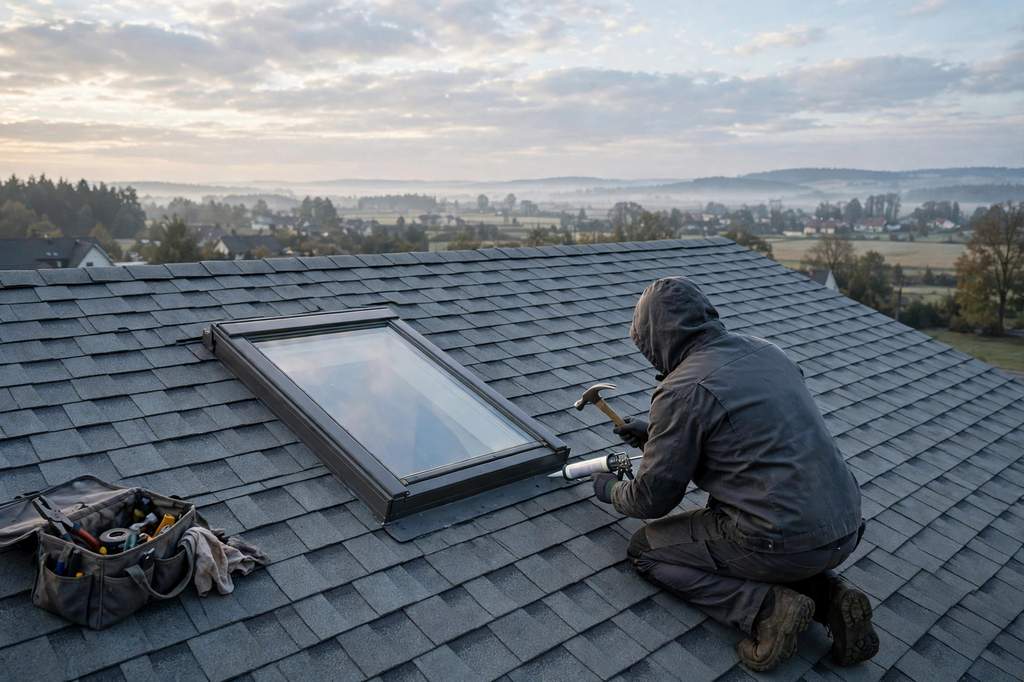
Step flashing at walls, counter flashing at the chimney, and new vent boots are installed at the joints where water most often finds a way in.
Ridge vent and intake balance
Ridge vent at the peak works with open soffit intake so air moves through the attic. Ventilation is checked as part of the replacement scope, not left to chance.
Cleanup and haul away
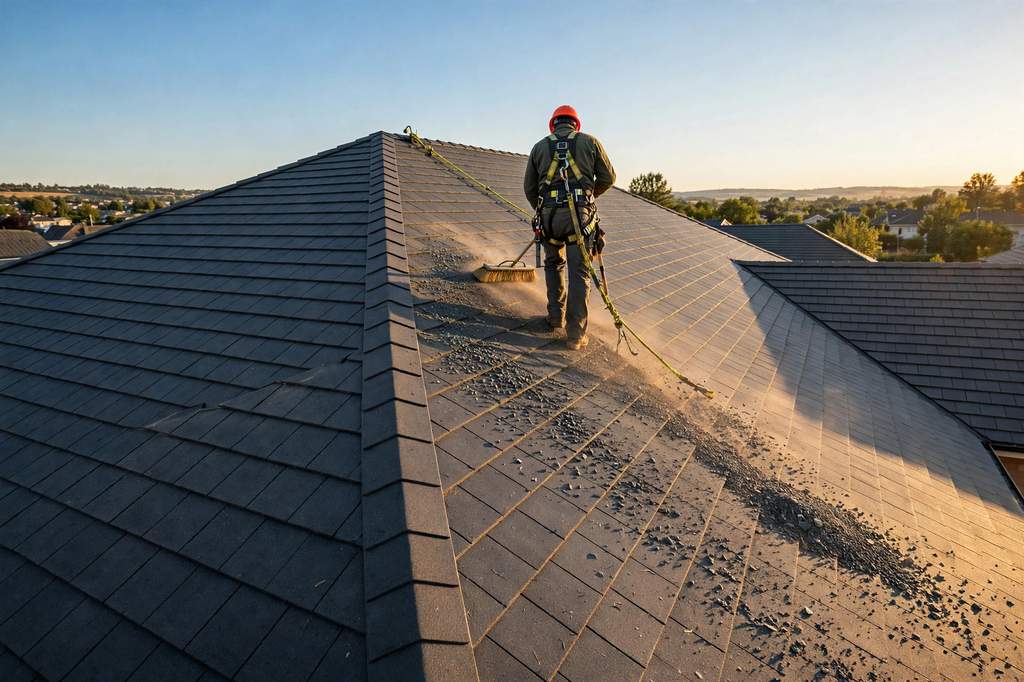
Old shingles go in the dumpster, the yard gets magnet-swept, and debris is cleared from the gutters before the job is called done.
Homes and properties.
The replacement approach is the same in principle for a house and a larger building. What changes is the roof system, the access, and who needs the records.
For homes
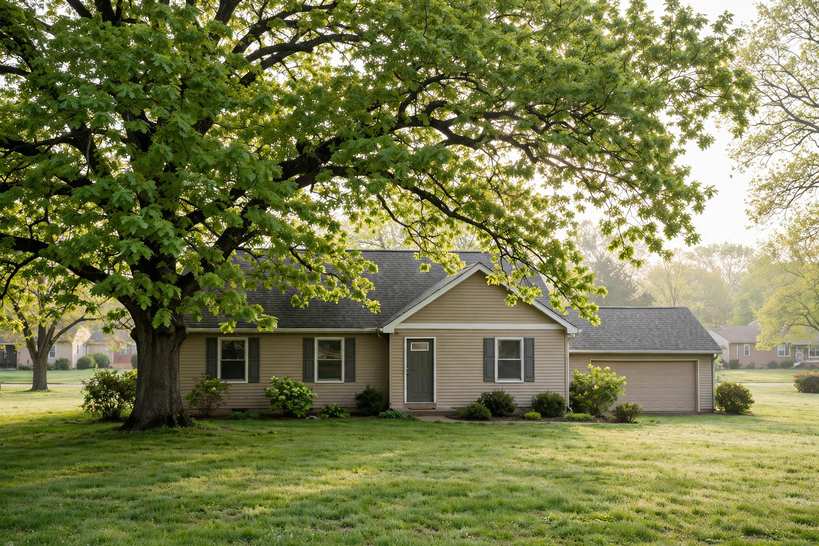
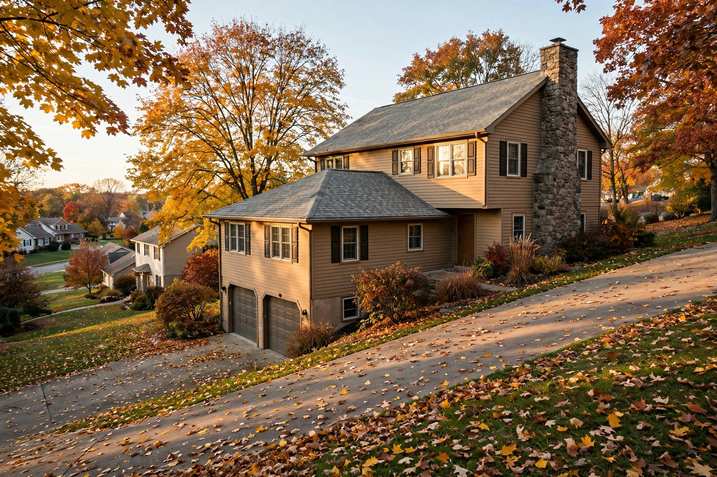
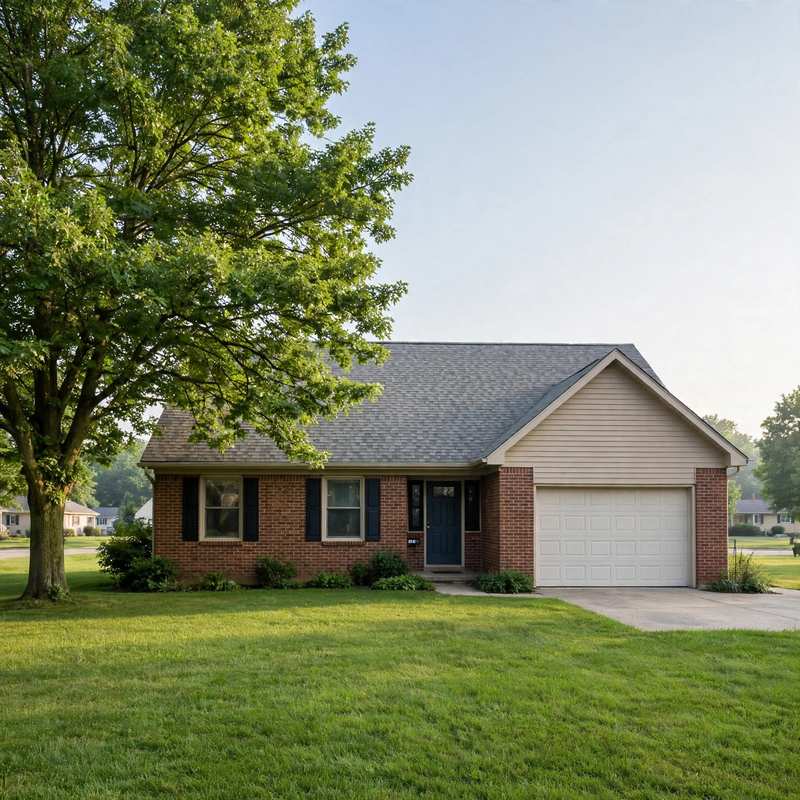
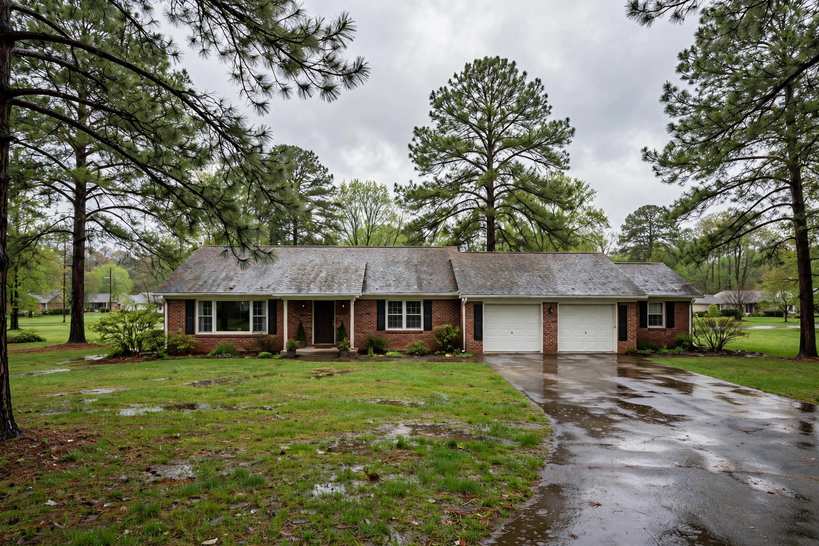
Replacement on Urbandale houses runs from single-story ranches to two-story homes. The written scope describes the tear-off, the deck check, the ice barrier, the flashing, and the ventilation plan.
Curling or missing shingles
Ceiling stains after storms
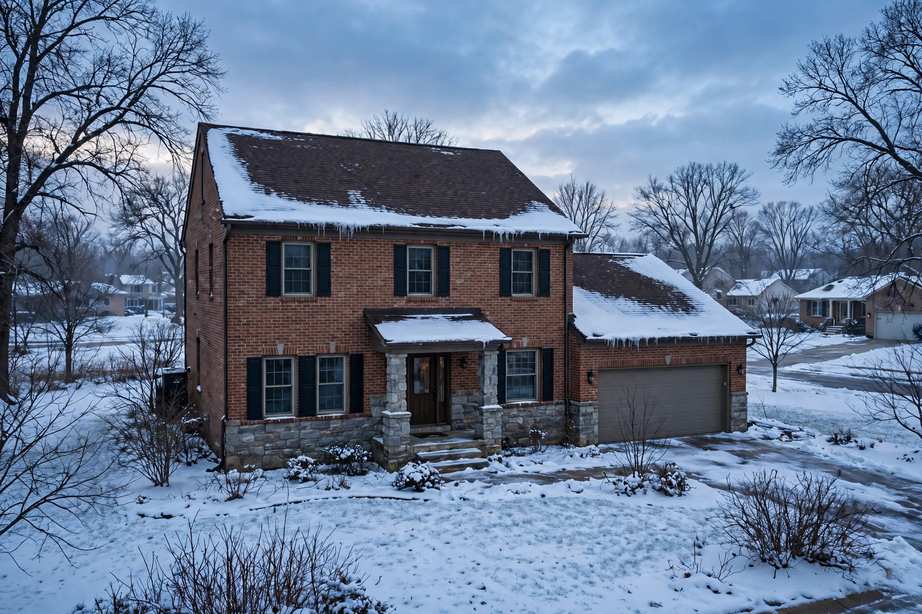
Ice dams at the eaves
For properties
Larger and low-slope properties are described on the commercial roofing page, which covers flat and low-slope systems, access planning, and records for a property file.
Ponding water on flat roofs
Storm damage to membrane
Aging membrane seams
What roof replacement in Urbandale actually involves
A plain-language look at what a replacement involves and when it is the right scope.
Roof replacement in Urbandale means the full removal of the existing roofing system down to the deck, followed by new underlayment, an ice barrier, flashing, and a new shingle or metal surface. Every course of old roofing comes off, the sheathing is inspected for soft spots, and damaged decking is replaced before the first new nail goes in. A chalk line keeps courses straight, and a moisture meter shows whether the deck is dry enough to close up.
Market figures for replacement work vary widely by source and by geography, and this business publishes no prices on this site. The cost post reports dated, sourced third-party market data with conflicts shown, and states plainly that none of it is this business's pricing. A replacement scope makes sense when damage is spread across the roof, or when repairs would only address one failure while others remain.
A roof replacement is only as good as the deck and flashing underneath it.
What it is
Full removal of old roofing down to the deck, then new underlayment, ice barrier, flashing, and surface.
When it is the scope
Curling shingles, repeated leaks, hail damage across slopes, or damage spread beyond one area.
What to expect
A tear-off, a deck check, new underlayment and flashing, a new surface, and a final walk-through.
How a roof replacement runs, stage by stage
The stages below describe the sequence of a tear-off and replacement, in the order the work happens.
Inspection and written scope
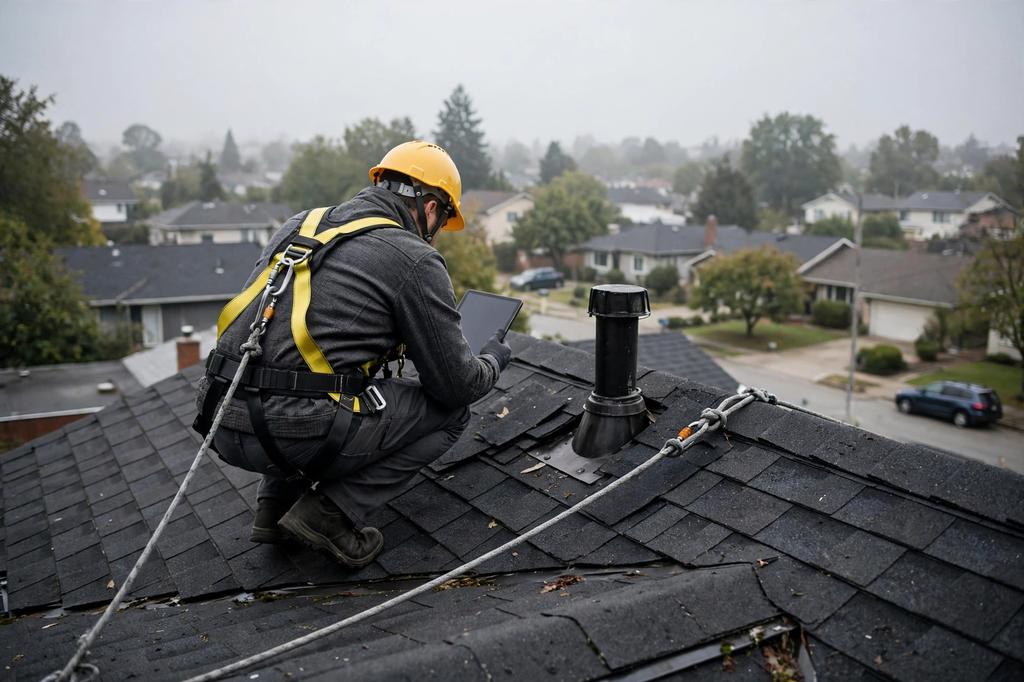
The roof is walked, the attic and deck are checked from inside, and problem areas are photographed. The written scope lists the shingle type, the underlayment and ice barrier, the flashing, and the ventilation plan, and findings are explained in plain terms before anything is signed.
Roof walk
Attic check
Written scope
Tear-off and deck check
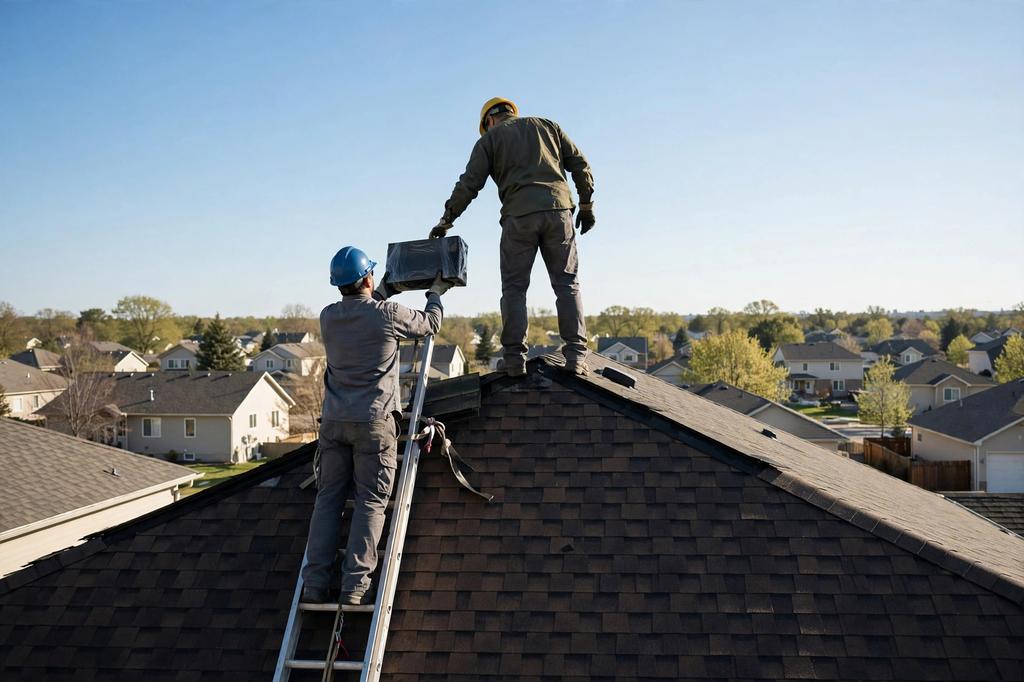
Ladders and a dump trailer are set, then old shingles and underlayment are stripped with pry bars and shingle cutters. The sheathing is inspected for soft spots, and damaged decking is replaced.
Ladders set
Shingles stripped
Deck checked
Underlayment and flashing
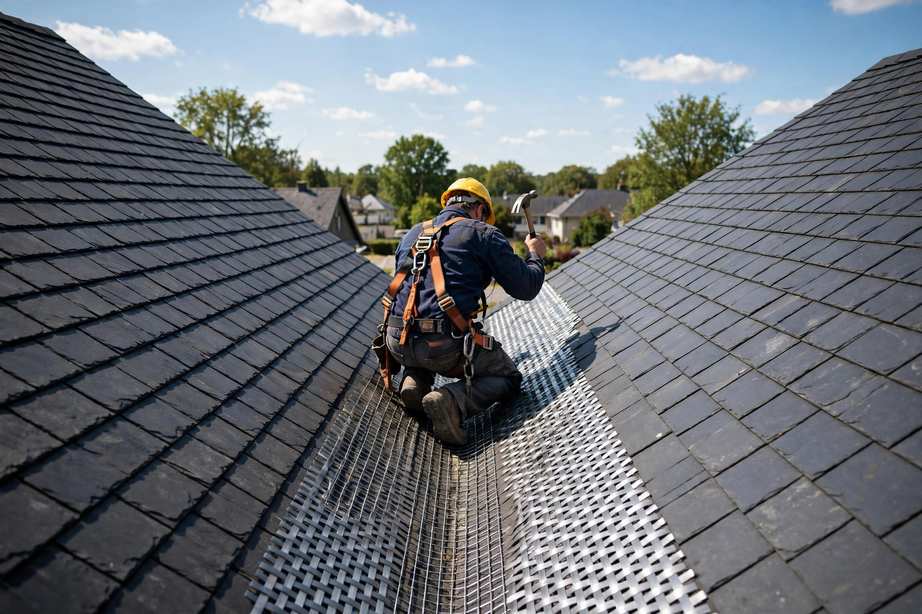
Ice barrier goes along the eaves and valleys, then underlayment across the field. New flashing goes in at the chimney, skylights, and walls, and penetrations are sealed. This is the layer that keeps water out.
Ice barrier
Underlayment
Flashing sealed
Surface install and ventilation
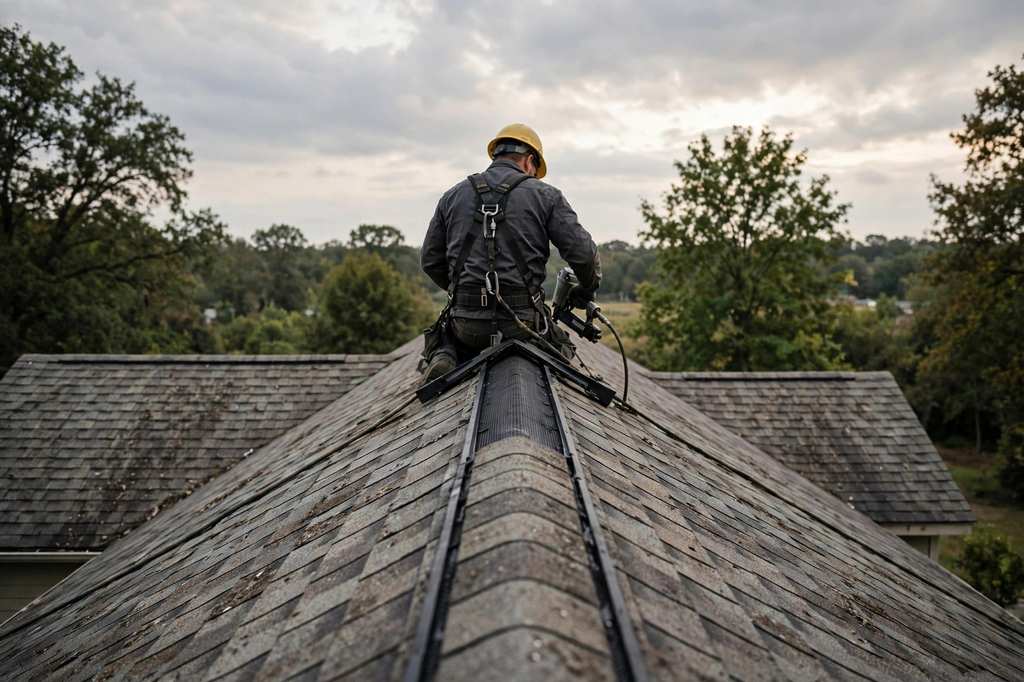
Shingles go down in straight courses, and ridge vent goes on at the peak to balance the intake at the soffits. Fastening follows the manufacturer instructions, as the 2018 code requires.
Courses nailed
Ridge vent
Vents sealed
Cleanup and final walk
The yard, driveway, and gutters are magnet-swept for nails, then the roof and attic are walked one last time. Photos of the finished work and the product documents go with the job record, with a note on what to watch next season.
Nails swept
Debris hauled
Final walk
Tools and methods used on a replacement
Move across a circle, or focus it and press Enter, for an illustrative thermal view of the photograph.
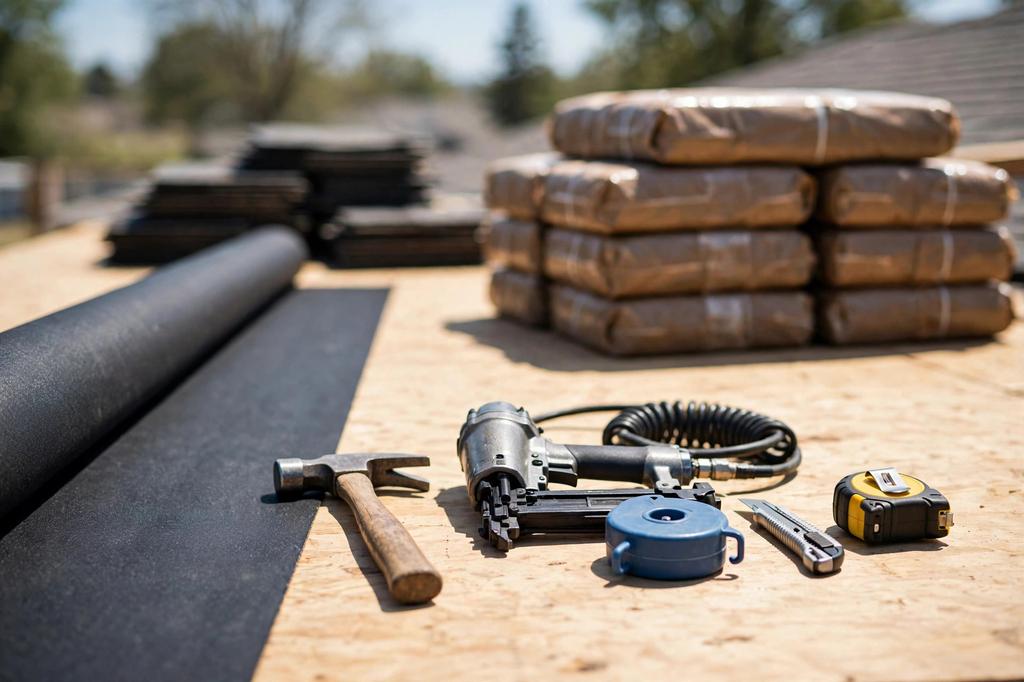
Roofing nail gun
Shingle cutter and pry bar
Cuts and lifts old shingles during tear-off without damaging the decking underneath.
Chalk line and roofing hammer
Keeps shingle courses straight and sets the layout before the first nail goes in.
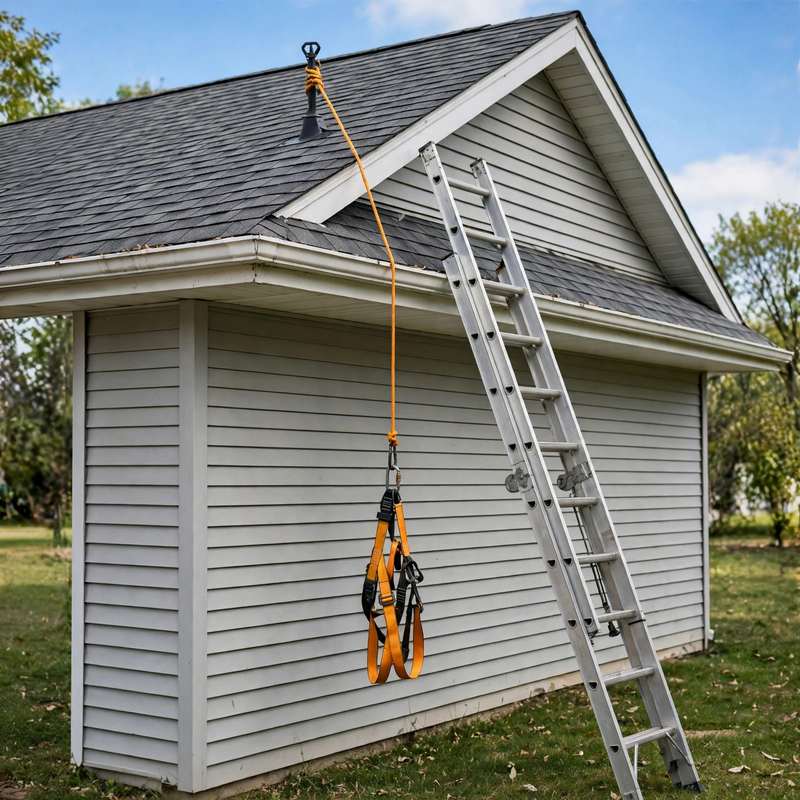
Roofing ladder and safety harness
Ladder and harness setup for getting on and off the roof and working on a pitch.
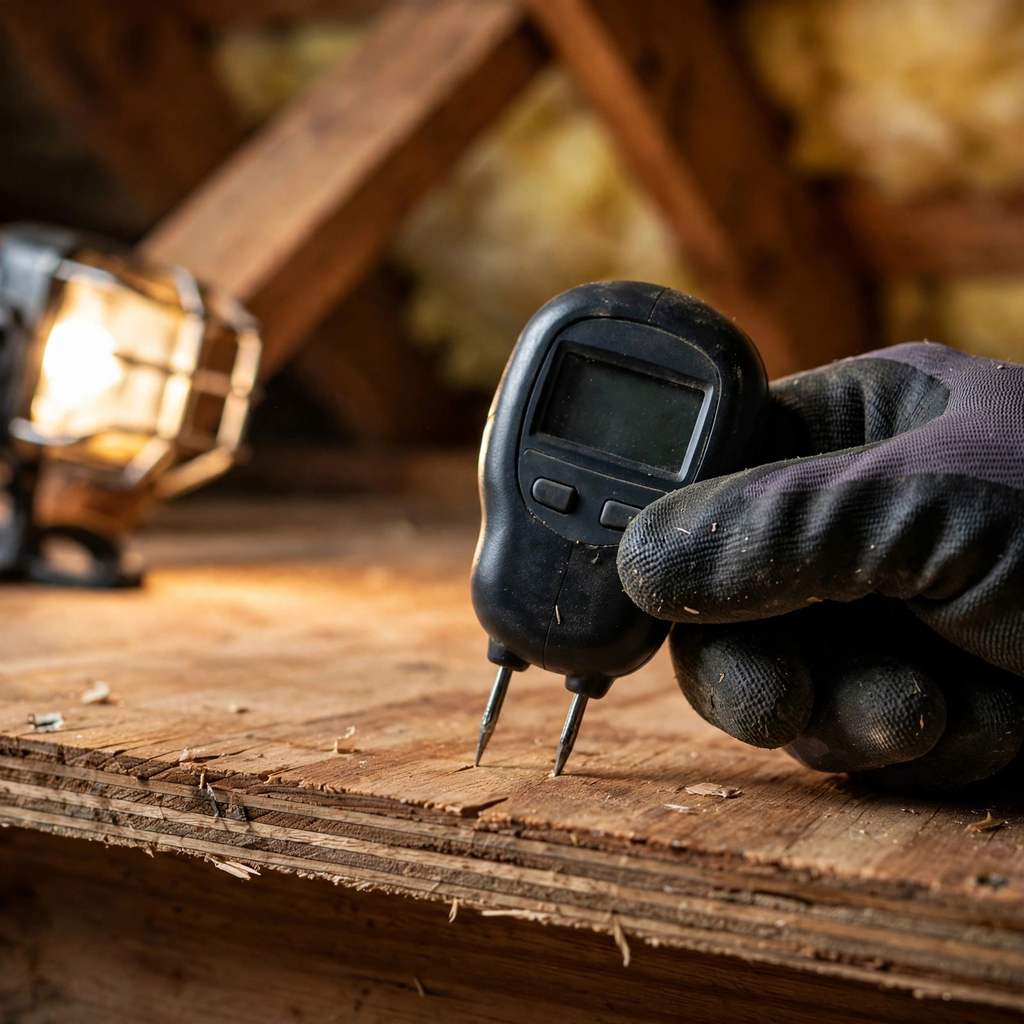
Moisture meter
Checks whether the decking and attic framing are dry before the roof is closed up.
Thermal views are illustrative, generated from the photographs.
Methods
Air compressor
Powers the nail guns and blows debris out of valleys and gutters during cleanup.
Full tear-off to the deck
Stripping the roof to the deck allows the sheathing to be inspected and new underlayment and flashing to be installed over a known surface.
Manufacturer instructions followed
Balanced attic ventilation
Ridge vent at the peak paired with open soffit intake moves air through the attic, which is part of managing ice dams and shingle heat.
Photo documentation
The deck, flashing, and finished roof are photographed so there is a record of what was done and what was replaced.
Situations where a replacement is the scope
Widespread wear
A shingle field with curling tabs and heavy granule loss across more than one slope, with stains that return after rain.
Tear-off exposes the deck, soft decking near a valley is replaced, and new underlayment, flashing, and shingles go on with balanced ventilation.
Hail-marked slopes
Bruised shingle mats and granule loss found across slopes after a hail event, documented with photos and measurements.
The damage is documented for the homeowner's own records and for storm damage documentation for the insurer. This is general information, not legal or insurance advice — check your policy, agent, or carrier.
Outcome: A replacement scope addresses the worn field, the deck, and the flashing together, with photos kept in the job record.
Wind-lifted courses
Shingles lifted along a slope after a wind event, with soft decking near a valley from a slow leak.
Tear-off reveals the soft sheathing, which is photographed and replaced before new ice barrier and flashing go in at the chimney and valleys.
Outcome: The deck, the flashing, and the surface are addressed in one scope, with photos of the deck repair in the record.
Rental or managed property
A property with missing shingles and a reported leak, where the owner needs a written scope and a photo record.
A temporary cover is discussed on the call where water is entering, and a full tear-off and replacement is scoped in writing for the owner.
Outcome: The owner holds a documented scope and a photo record for the property file.
Repair or replace
A homeowner comparing a repair against a full replacement on an aging roof, with failures beyond one slope.
The whole roof is inspected and the areas where shingles are failing beyond the damaged slope are shown, so the choice between repair and replacement is made with the full picture.
Outcome: The decision rests on the condition of the whole roof, not on one slope alone.
Karen AcresRolling GreenTimberline
Roof replacement Urbandale: how a project runs
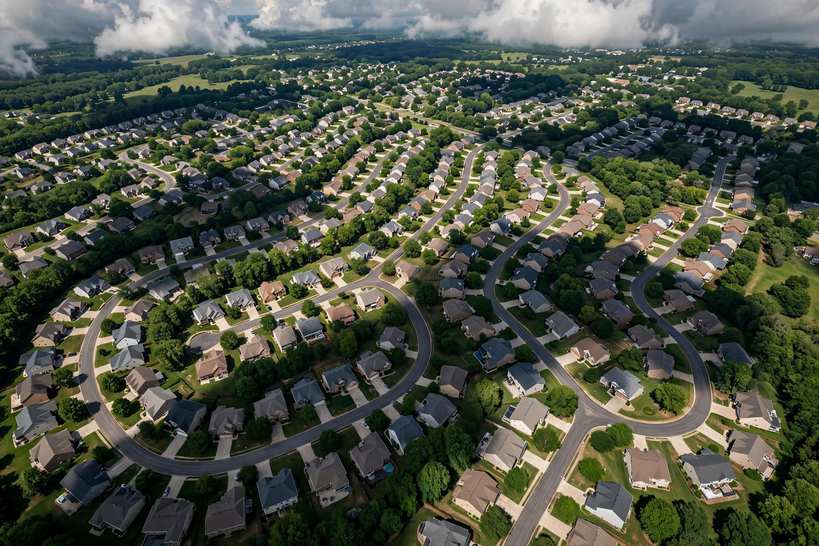
Urbandale roofs sit in a climate with summer hail and straight-line wind, then January freeze-thaw cycles that push meltwater under shingles and form ice dams. Des Moines airport climate normals for 1991–2020 record 36.55 inches of precipitation and 36.5 inches of snow a year. A 36.7-inch snow variant exists in some summaries; the NOAA-normals figure is used here. The 2018 code editions adopted by the City set the design criteria for a replacement: 30 psf ground snow load, 115 mph wind speed, a minus 5 degree winter design temperature, a 42-inch frost line, and ice shield required.
When comparing a full tear-off replacement, ask to see the deck condition and how the ice barrier, flashing, and ventilation are described in the written scope. The hiring checklist post explains how to check a contractor's Iowa registration and what to ask before signing. No City source located for this site states a roofing permit trigger, so this site states no rule about permits for the work.
Karen Acres: The same tear-off questions apply here as elsewhere in the city — deck condition, flashing, and ventilation are checked when the old roof comes off.
Rolling Green: Decking condition is the question that only tear-off answers. The written scope describes what happens if soft sheathing is found.
Timberline: Valleys and penetrations get the same attention as the field. Flashing and ice barrier at those joints are part of the replacement scope.
Hallbrook: For this area, the one verified HOA roofing fact in the research is that Hallbrook Phase III homeowners maintain their own exteriors. Phases I and II are unverified — check the association documents for the specific address.
Downtown Urbandale: Downtown is the one official district in the city. Tighter lots shape how a dumpster is staged and how the site is swept.
July 15, 2024 EF1 tornado: a preliminary National Weather Service survey recorded 100–105 mph winds, a 7.23-mile path, and a 300-yard width through Urbandale, Windsor Heights, and Des Moines. Final Storm Data values are unverified.
The roof and attic are walked and findings explained.
The driveway is protected and the dumpster set up.
A final walk-through is done and photos handed over.
From problem to finished result.
IllustrativeThe thermal view is generated from the photograph. It is not a measurement. Drag the handle, or use the arrow keys once it is focused.
Hail-marked shingle field
Before: A shingle field with hail bruising and granule loss across a slope, a ceiling stain inside, and flashing at the chimney showing rust.
After: Full tear-off and replacement with new underlayment, ice barrier, and shingles. New chimney flashing and vent boots go in, and the work is photographed for the record.
Clear the gutters each fall and have the roof inspected after hail.
Ice dam leak at the eave
Before: Curling shingles and a recurring ice dam at a north eave. Meltwater soaked attic insulation and stained a ceiling, and the soffit intake was blocked.
After: Tear-off, new ice barrier at the eaves, and ridge vent installed with the soffit intake cleared. Ice-dam prevention is the aim — removal work is not offered on this site.
Keep soffit vents clear and check attic insulation depth regularly.
Wind damage at a valley
Before: A wind event lifted shingles on a slope and opened a gap near a valley. The decking underneath was soft from a slow leak.
After: Full tear-off revealed soft sheathing at the valley, replaced before new underlayment and flashing went in. Photos of the deck repair stay in the record.
Inspect valleys and flashing after wind events and note any lifted shingle tabs.
Roof problems a replacement addresses
Many roofs due for replacement show two or three of these at once. Patching one problem while the rest of the field is failing moves the leak rather than addressing it.
Curling shinglesCurling shingles and heavy granule lossCurling shingles let water under the tabs, and granule loss leaves the mat exposed to sun. A full tear-off replaces the worn shingle field and allows the deck underneath to be checked.
Ice dam leaksRoof leak after ice damsIce dams push meltwater under the shingles and into the attic, staining ceilings and soaking insulation. An ice barrier at the eaves and balanced attic ventilation are part of a replacement scope, which addresses the freeze-thaw cycle that causes ice dams.
Hail damageHail damage documentationBruised shingle mats and granule loss are hard to see from the ground. Inspection and photography produce storm damage documentation for the insurer, kept in the homeowner's own records. This is general information, not legal or insurance advice — check your policy, agent, or carrier.
Flashing failureFlashing failure at chimney and skylightsFailed flashing is a common source of roof leaks. Water tracks along the deck and shows up far from the entry point. New step flashing, counter flashing, and skylight curbs go in during the replacement.
Why homeowners replace instead of patch
A dry attic, a straight roof, and a scope that addresses the whole field at once.
Addresses leaks at the source
A new ice barrier along the eaves and new flashing around chimneys and skylights address the two spots where many Urbandale leaks start.
Renews storm and hail protection
Hail and wind knock granules loose and crack shingle mats, often invisibly from the ground. A full tear-off shows the deck and allows compromised sheathing to be replaced instead of covered.
Addresses ventilation and ice dams
Attic ventilation and clogged gutters both feed ice dams in January. Intake and ridge vent are balanced during the replacement, which keeps the deck colder and reduces the freeze-thaw cycle that backs water under the shingles.
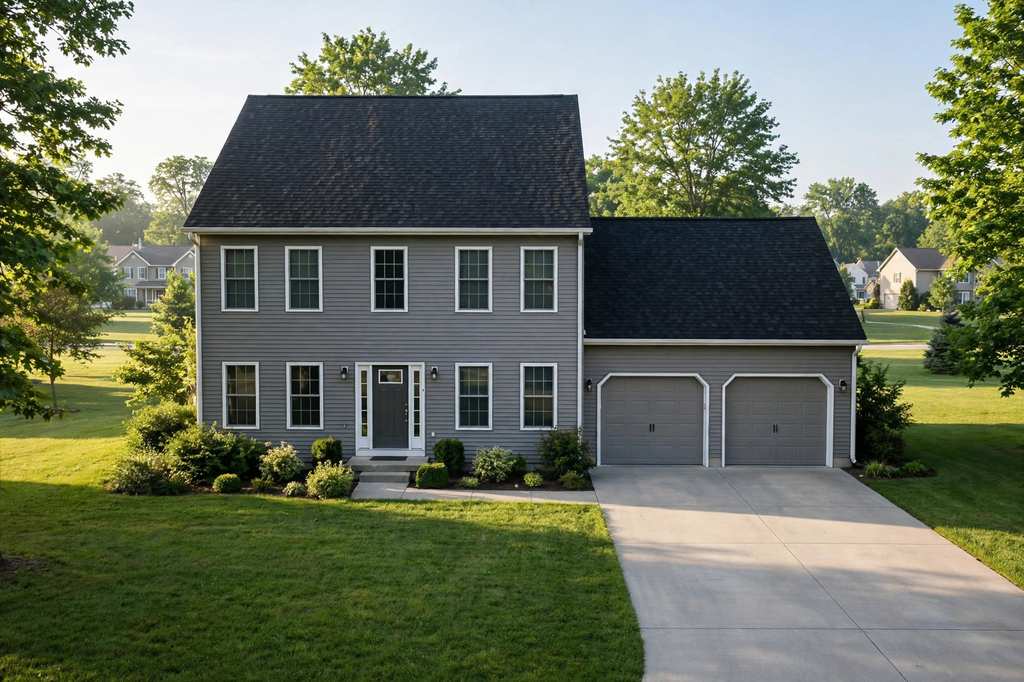
A finished roof, visible from the street
A new shingle field is one of the few changes visible from the street. Straight courses and clean flashing lines are part of the finished look.
Records that go with the job
Clear records to keep and share.
Written scope
Materials, steps, and ventilation plan listed
Photo report
Deck and flashing before and after
Product paperwork
Documents for the materials installed
Season notes
What to watch next season
Tear-off versus overlay, and what shingle grade means
Two choices shape how a replacement turns out: whether the old roof comes off, and which shingle grade goes on.
Full tear-off
Old roofing removed down to the deck
Deck inspected
New underlayment
Flashing replaced
Overlay
New shingles installed over the old
Deck hidden
Trapped moisture risk
Code limits apply
Shingle grades
Three-tab, architectural, and premium
Three-tab basic
Architectural common
Premium grade
Materials and systems described on this site
Asphalt shingles
Standing seam metal
TPO membrane
EPDM membrane
Ice and water shield
Synthetic underlayment
Ridge vent
Gutter coil
ZIP codes do not set the city line.
A mailing address can carry a neighboring city's name, and an Urbandale address can carry a neighboring ZIP code. A parcel record settles which city governs an address. Call and ask about a specific street.
Removal of the old roofing down to the deck, inspection of the sheathing, new underlayment, an ice barrier at the eaves and valleys, new flashing, and a new roof surface, with ventilation checked as part of the scope. Urbandale enforces the 2018 IRC, which designates ice shield as required, so an ice barrier is part of the work, and no alternative method is stated on this site.
The 2018 IRC re-roofing provisions (R908) do not allow a recover where the existing roof is water-soaked or deteriorated, where the existing roof is slate, clay, cement, or asbestos-cement tile, or where two or more existing applications are present. A replacement scope on this site means removal down to the deck, so the sheathing can be inspected.
No City source located for this site states a roofing permit trigger, threshold, or repair distinction, so this site does not state a permit rule for any roofing scope. Ask the City permit office about the specific project before work starts.
Ask what the written scope lists: the tear-off, the underlayment and ice barrier, the flashing, the ventilation plan, and how the deck will be checked. Ask how findings will be documented. For anything insurance-related, check your policy, agent, or carrier — this site gives general information, not legal or insurance advice.
Call (641) 219-5108 to talk about a roofing question. The office is at 3815 109th St, Urbandale, IA 50322, United States, and the listed hours are Open 24 hours, every day.