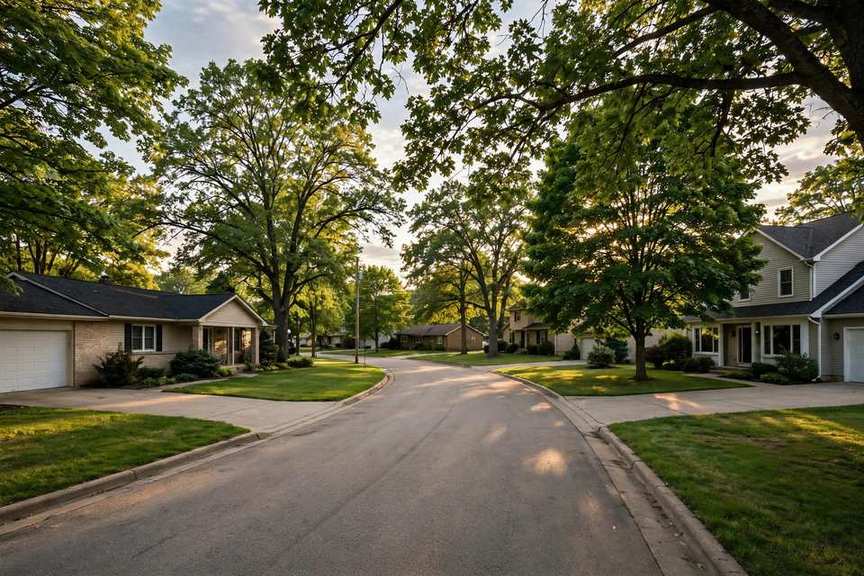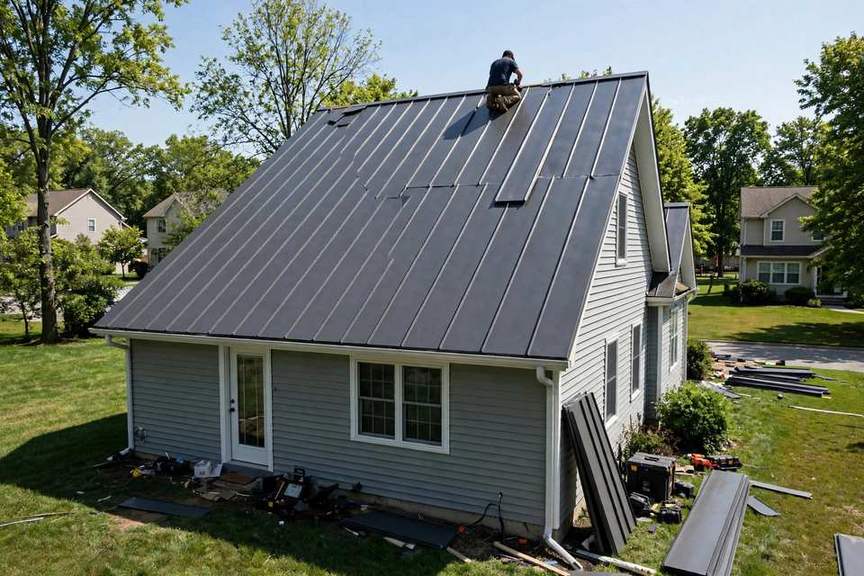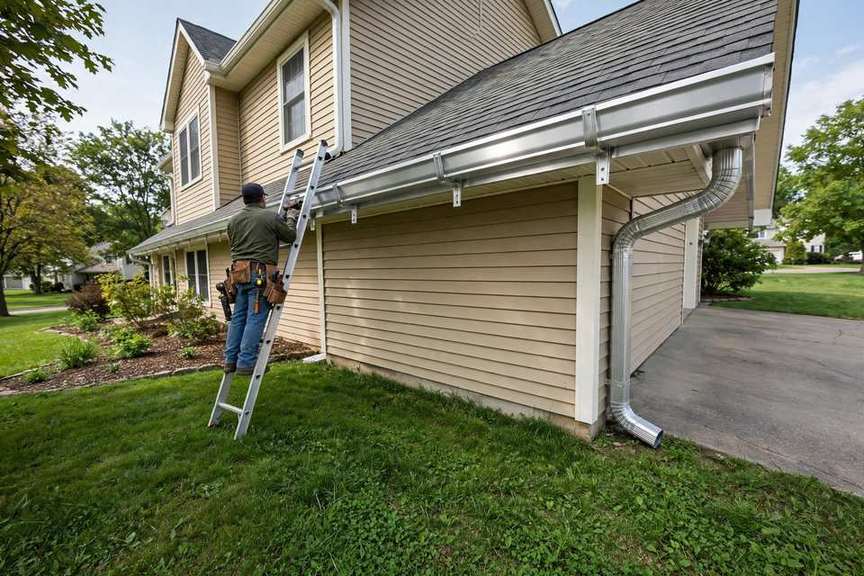
For homes
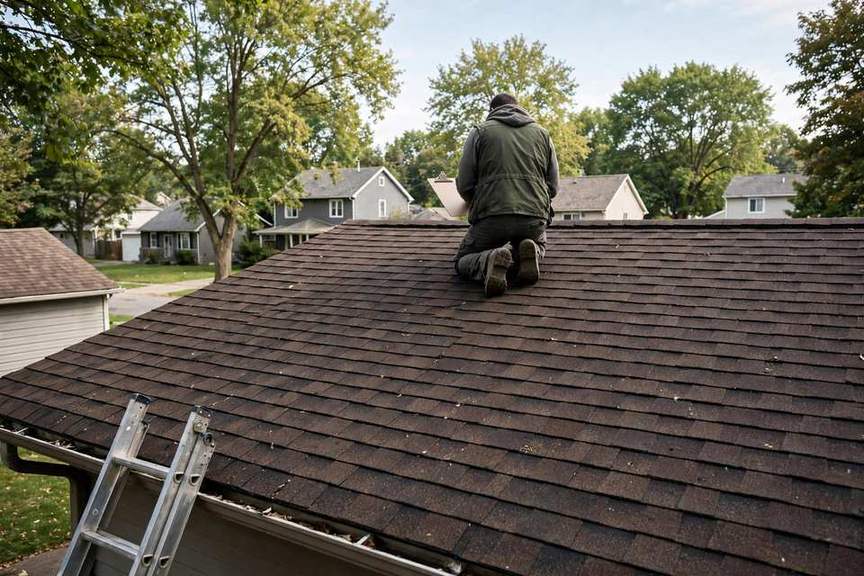
The roof and attic are inspected, then what is worn, what is storm damage, and what can wait is explained. Photos and a written scope come before any work starts.
- Curling or missing shingles
- Ceiling stains after rain
- Hail or wind damage
Asphalt shingle roofing Urbandale homes rely on most is a layered system: decking, underlayment, ice barrier at the eaves and valleys, overlapping shingles, and ridge vent. If shingles are curling, leaking, or missing tabs after a storm, this page describes the system, the shingle grades, and how repair and replacement decisions are made.
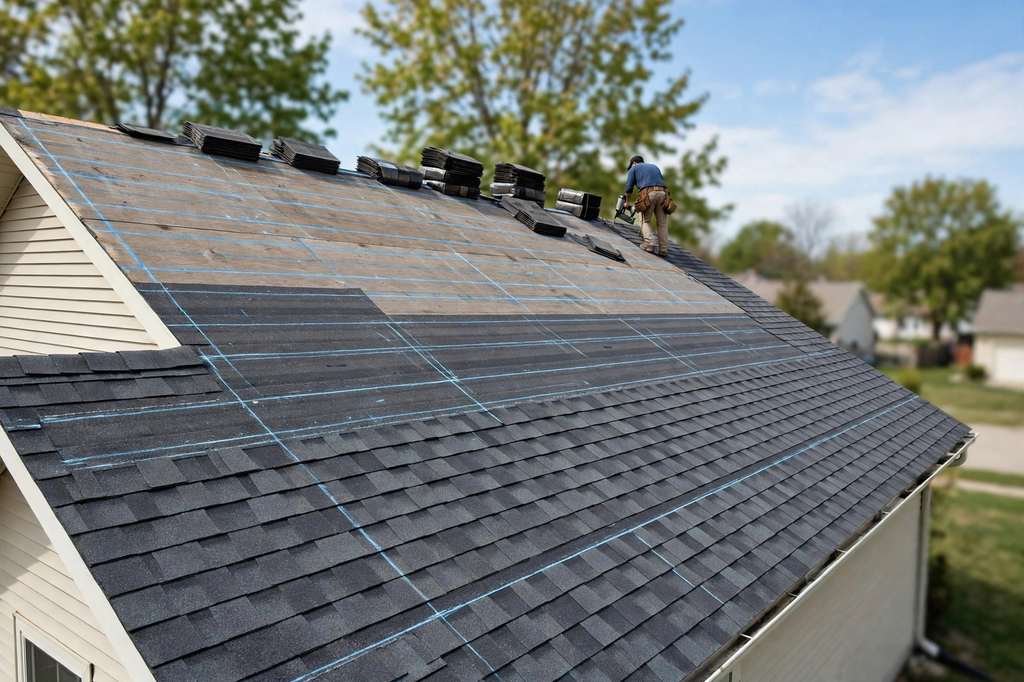 Roof and attic checkStorm damage photosWritten scope
A shingle roof job includes the layers and details that make the roof last, not just the shingles on top. The items below describe the standard scope, and what is described separately when a roof needs it.
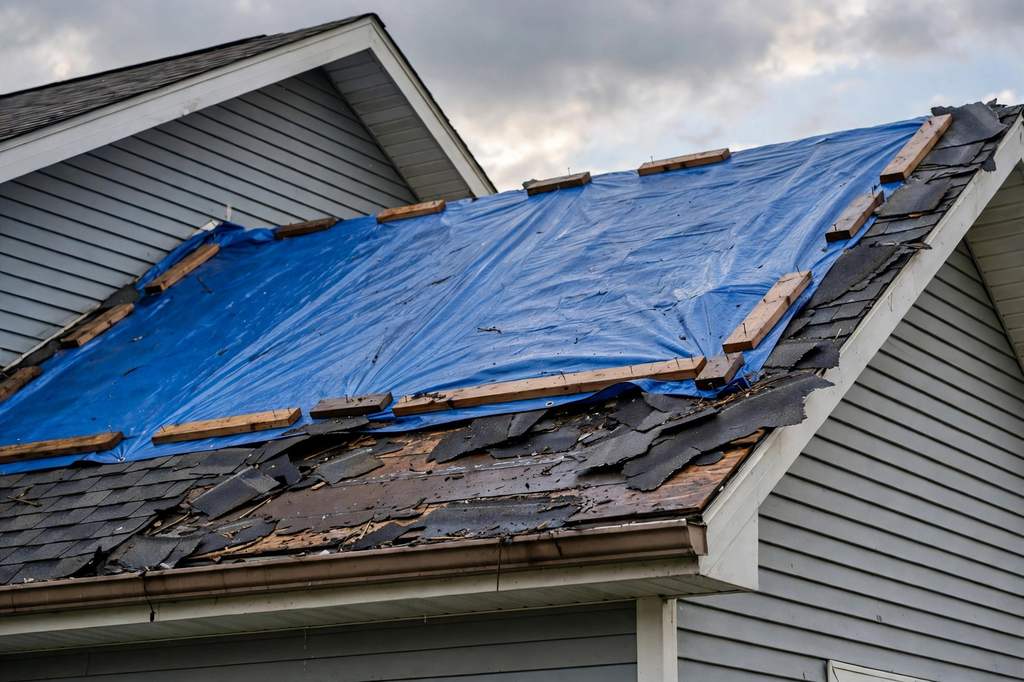
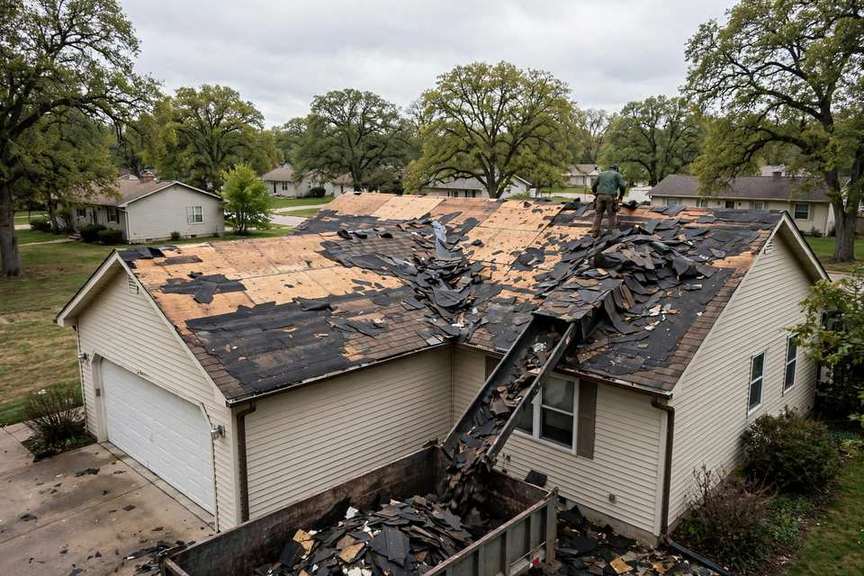
Old shingles and underlayment come off down to the deck so every sheet of sheathing can be inspected. Soft or damaged decking is replaced before new material goes down.
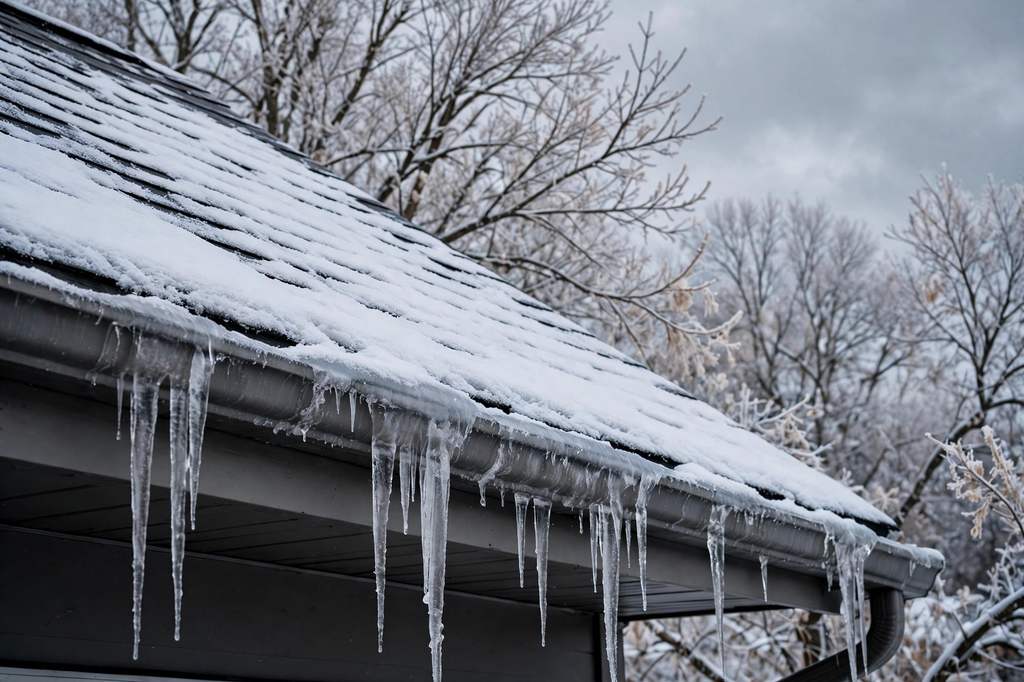
Ice barrier runs along the eaves, valleys, and around penetrations. It is the layer that addresses ice dams backing water under the shingles during a freeze-thaw cycle, and the city's criteria designate ice shield as required.
A full synthetic underlayment goes over the deck as a secondary water barrier beneath the shingles.
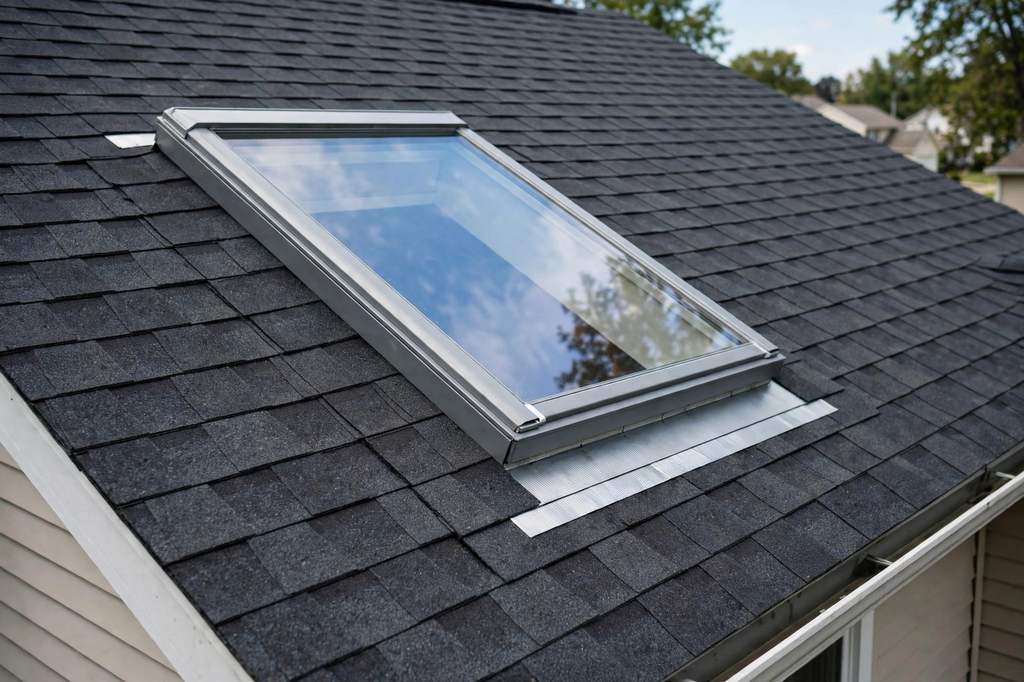
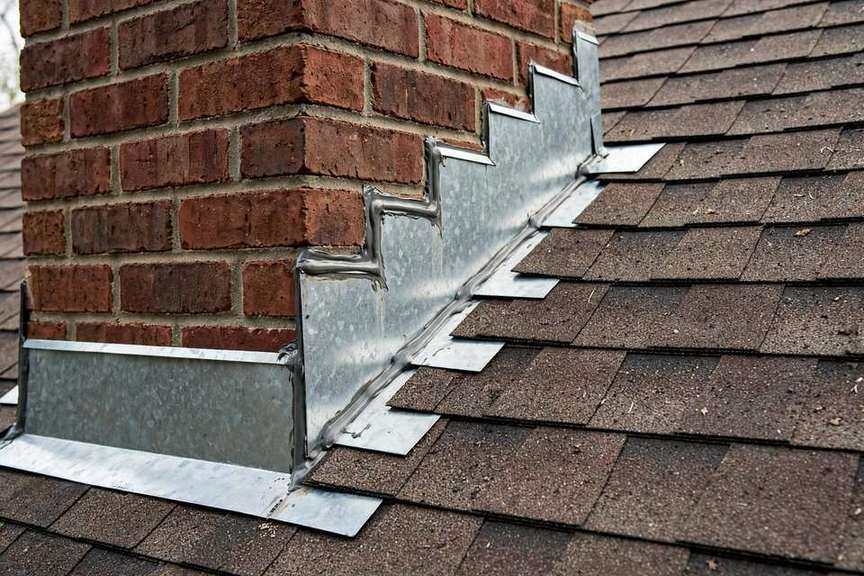
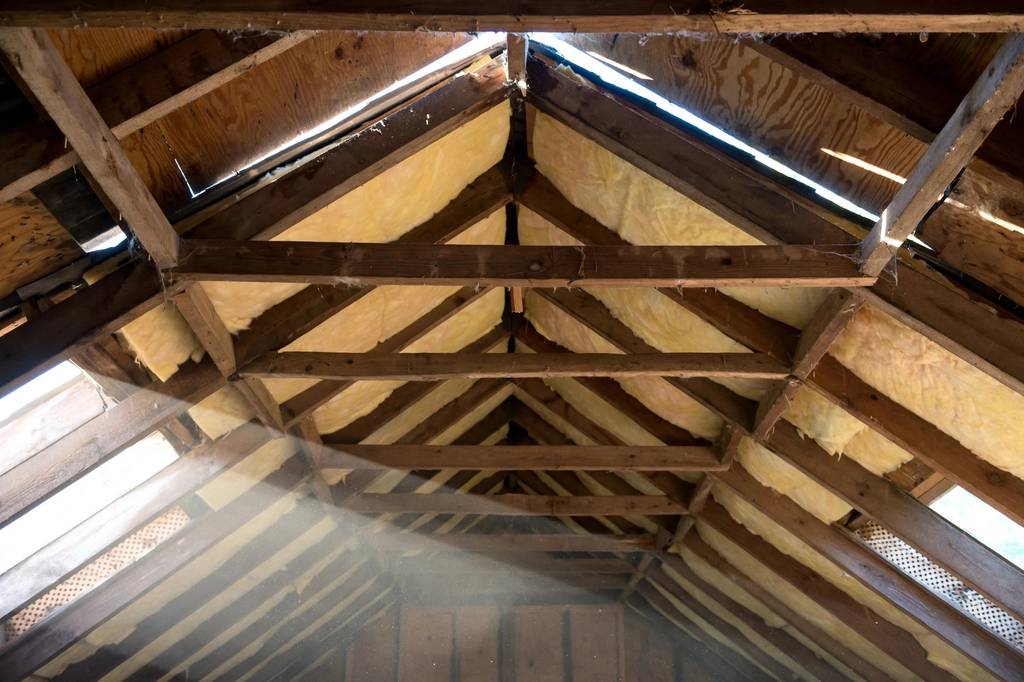
Flashing is replaced at valleys, walls, and the chimney, and ridge vent is installed with intake vents so the attic moves air and the shingles do not overheat from underneath.
Old shingles are hauled away in a dumpster and the lawn, driveway, and gutters are magnet-swept for nails, with a walkthrough before the job is called done.
The approach is the same for a home and a business. What changes is the access, the schedule, and who needs the paperwork.
The roof and attic are inspected, then what is worn, what is storm damage, and what can wait is explained. Photos and a written scope come before any work starts.
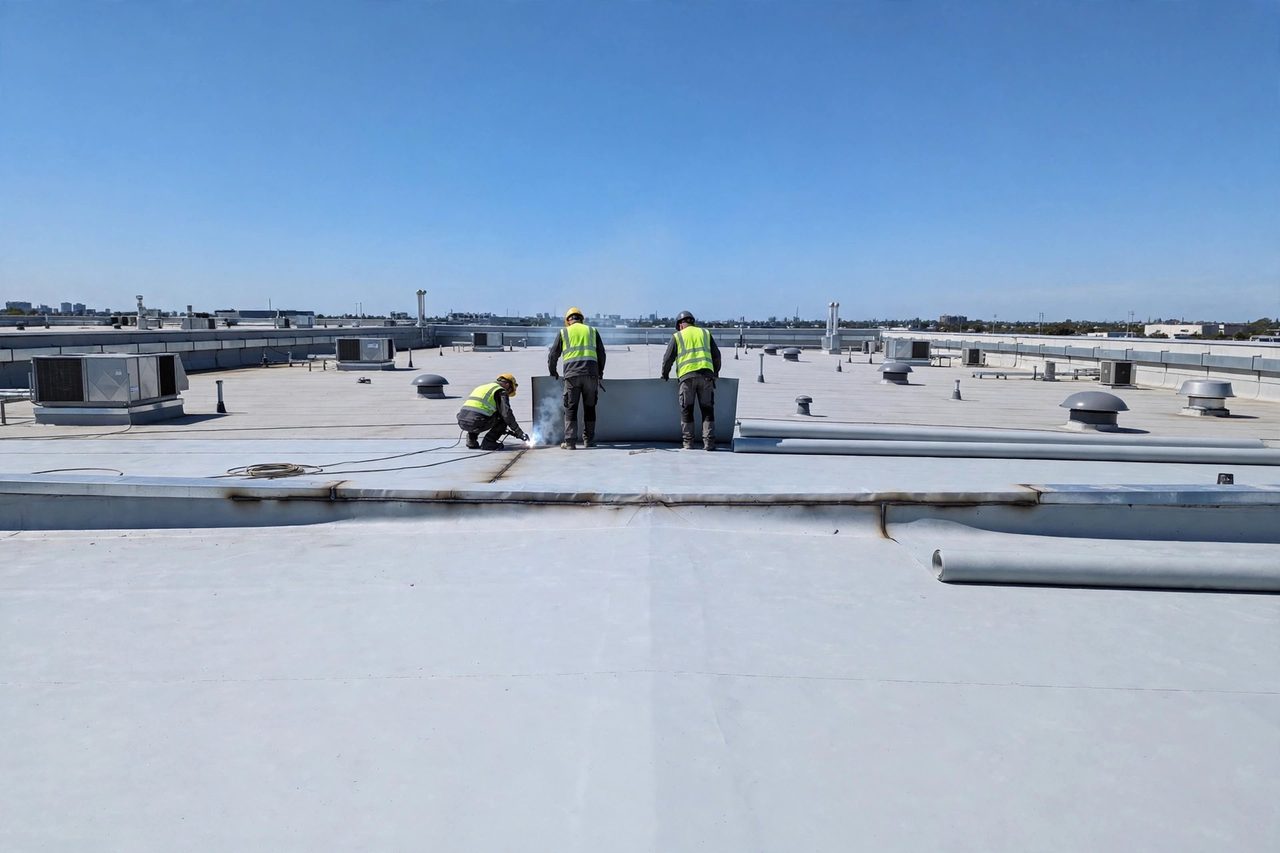
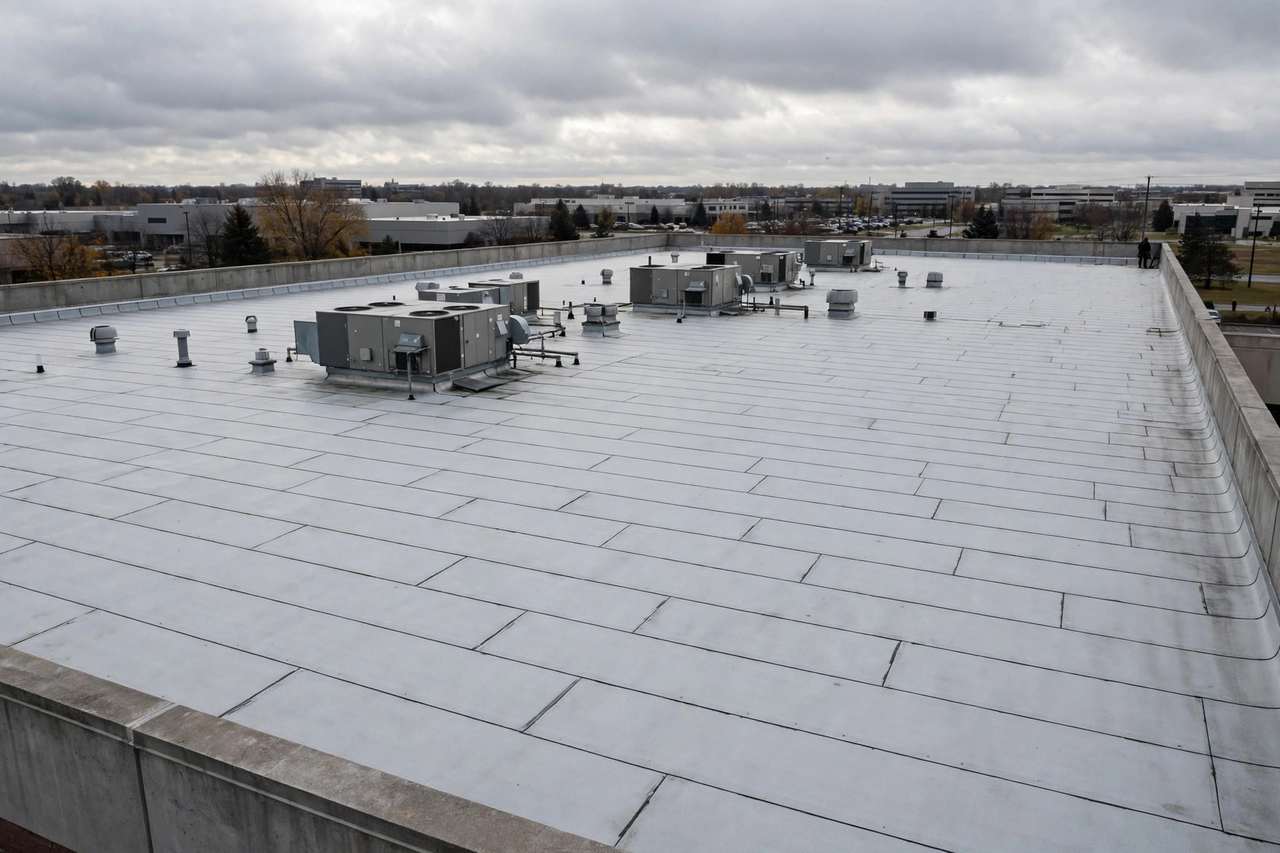
Shingle and low-slope roof sections are inspected, with documentation for property records. Larger properties are described on the commercial roofing page.
A plain-language look at what a shingle roof involves and when it is needed.
See how it worksAsphalt shingle roofing in Urbandale is the layered roof system most homes here rely on: a deck of sheathing, synthetic underlayment, ice barrier along the eaves and valleys, overlapping asphalt shingles nailed in place, and ridge vent at the peak. The old roof is torn off rather than shingled over, so the deck can be inspected for soft spots and flashing failure. No product names are published on this site.
Spring hail and straight-line wind wear shingle fields year after year, and the leak showing on a ceiling is rarely directly under the damage, which is why inspection starts with a moisture meter and a full attic check. The curling shingles post explains what curling and cracking indicate, and the moss and algae post covers growth on shaded slopes.
A shingle roof lasts when the layers under it are done right, not just the shingles you see.
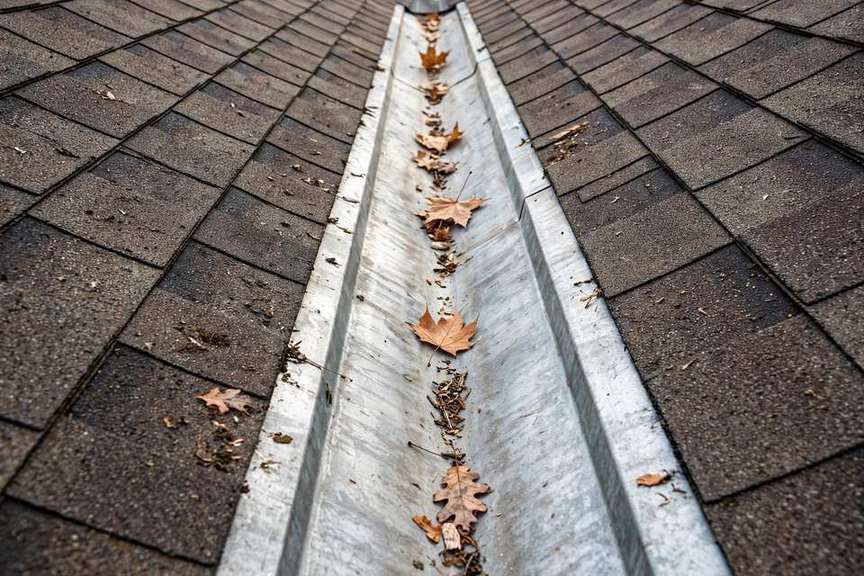
A project starts with a full inspection and ends with a clean yard and a walkthrough. The stages below run from the first call to the final sweep.
The roof is walked, the attic is checked for moisture and ventilation, and damaged areas are photographed. What is worn, what is storm damage, and what can wait is explained in plain terms.
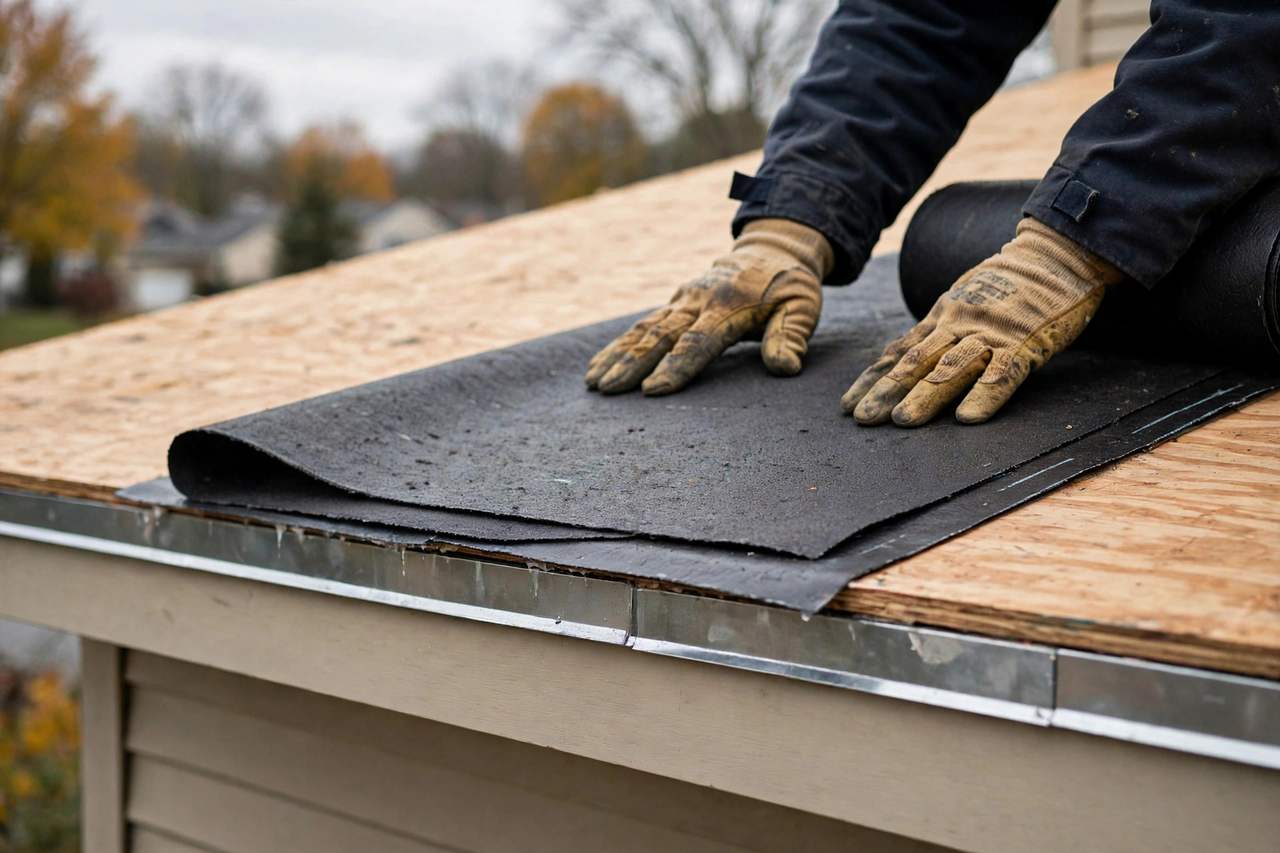
The shingle type, color, underlayment, and flashing plan are laid out in a written scope. Material is selected from the grades described on this page, and delivery is arranged before the job starts.
Old shingles are stripped to the deck, hauled off in a dumpster, and soft sheathing is replaced. The deck is checked with a moisture meter before new underlayment goes down.
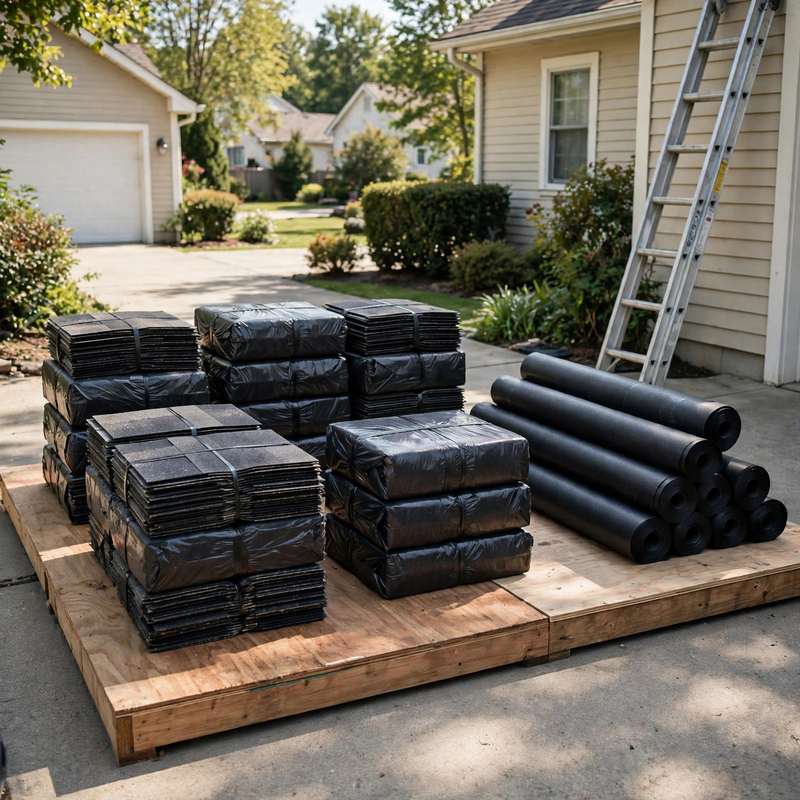
Ice barrier goes at the eaves and valleys, synthetic underlayment is rolled, then shingles are nailed with a roofing nail gun at the manufacturer pattern. Ridge vent, flashing, and chimney flashing go on, and the yard is magnet-swept for nails.
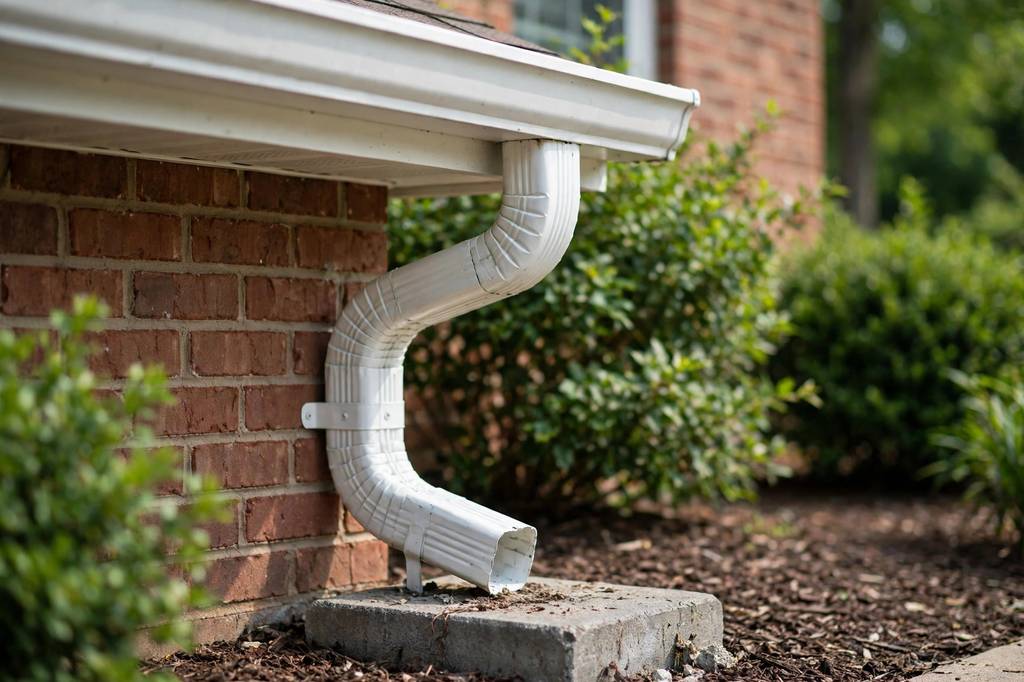
The roof line is walked, gutters and downspouts are checked, and ventilation balance is confirmed. Product paperwork goes with the job record.
Move across a circle, or focus it and press Enter, for an illustrative thermal view of the photograph.


Finds hidden moisture in decking and attic framing so the cause of a leak is repaired, not just the stain.
Cuts and sets shingles cleanly at valleys, hips, and edges for a tight, water-shedding fit.

Removes old shingles and flashing without damaging the deck, and keeps shingle courses straight and even.
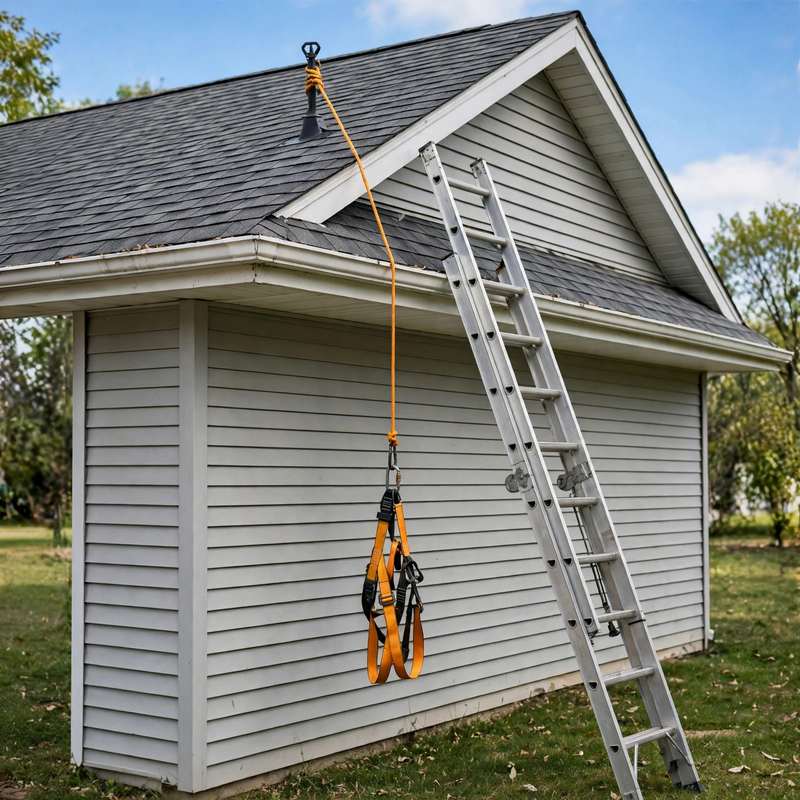
Harness and ladder setup for working on steep pitches.
Thermal views are illustrative, generated from the photographs.
Powers the nail gun and blows debris out of valleys and gutters before a repair is closed up.
The roof is stripped to the deck on a replacement, and the sheathing is inspected for soft spots before new underlayment goes on.
Ice barrier runs along the eaves, valleys, and penetrations, addressing ice dams and wind-driven rain getting under the shingles.
Ridge vent is paired with intake vents so hot attic air escapes and the shingle underside stays cooler.
Nailing follows the manufacturer instructions, as the 2018 code requires. Placement and depth are what wind and impact performance depend on.
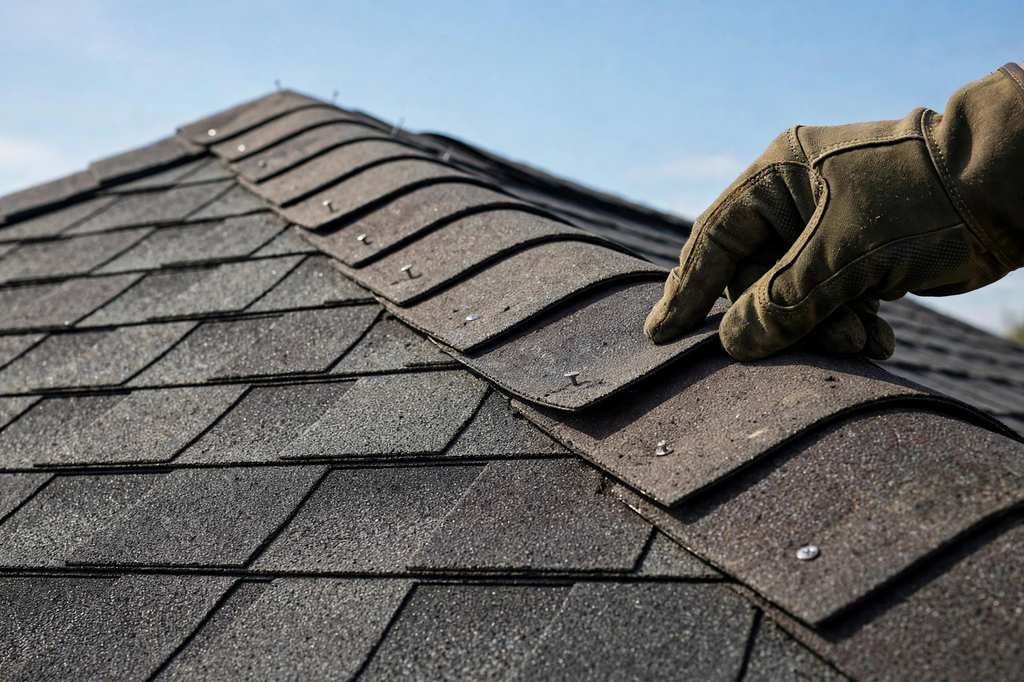
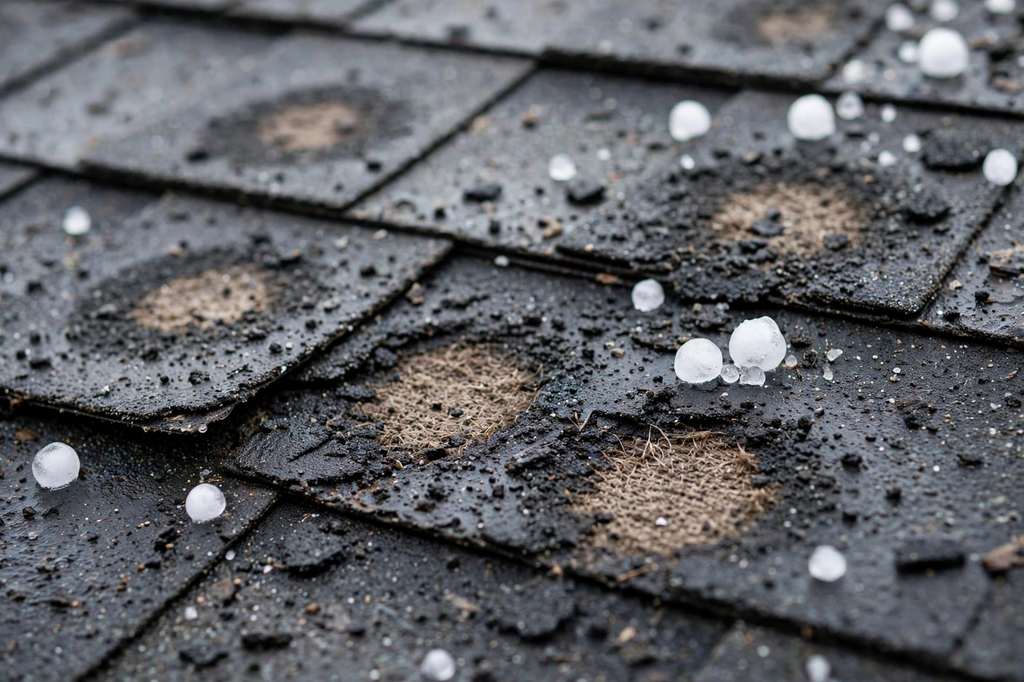
A spring hail event leaves dents in the shingles and granules in the gutters.
The roof is inspected for hail damage, documented with photos, and affected shingles are repaired or replaced. The photo set is kept for storm damage documentation for the insurer. This is general information, not legal or insurance advice — check your policy, agent, or carrier.
Outcome: The roof is watertight, with a photo record of the damage and the repair.
A ceiling stain appears after heavy rain and the source is unclear.
The attic is checked with a moisture meter, the leak is traced to its entry point, and the flashing or shingle causing it is repaired.
Outcome: The leak is addressed at the source instead of returning with the next storm.
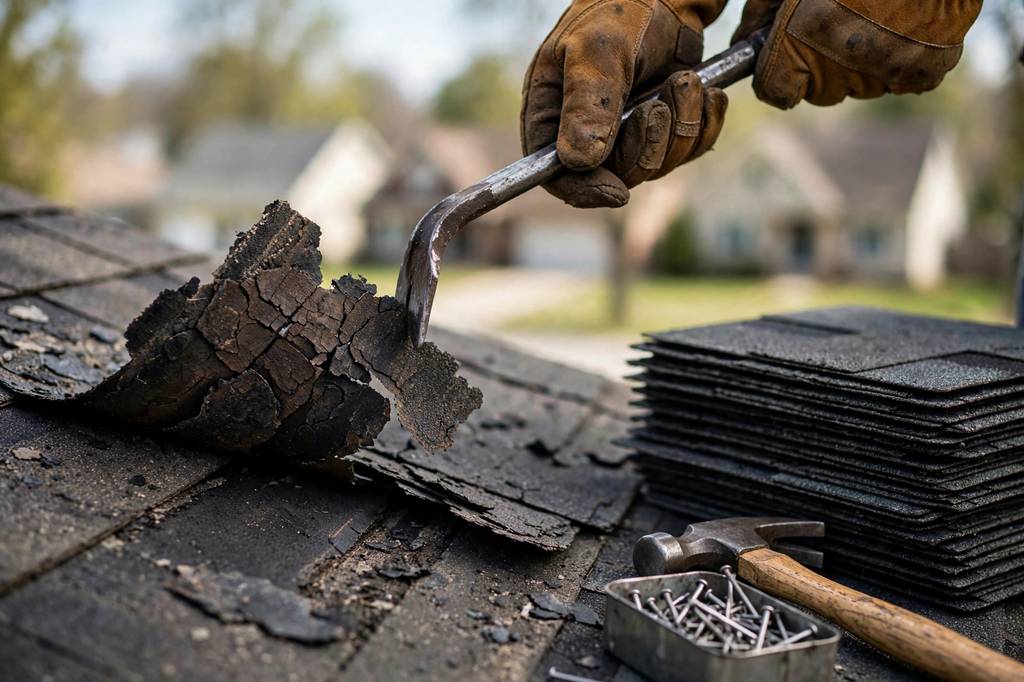
A roof near the end of its service life, with a sale being planned.
Outcome: The condition of the roof is known before a buyer inspection finds it, with photos and a written scope.
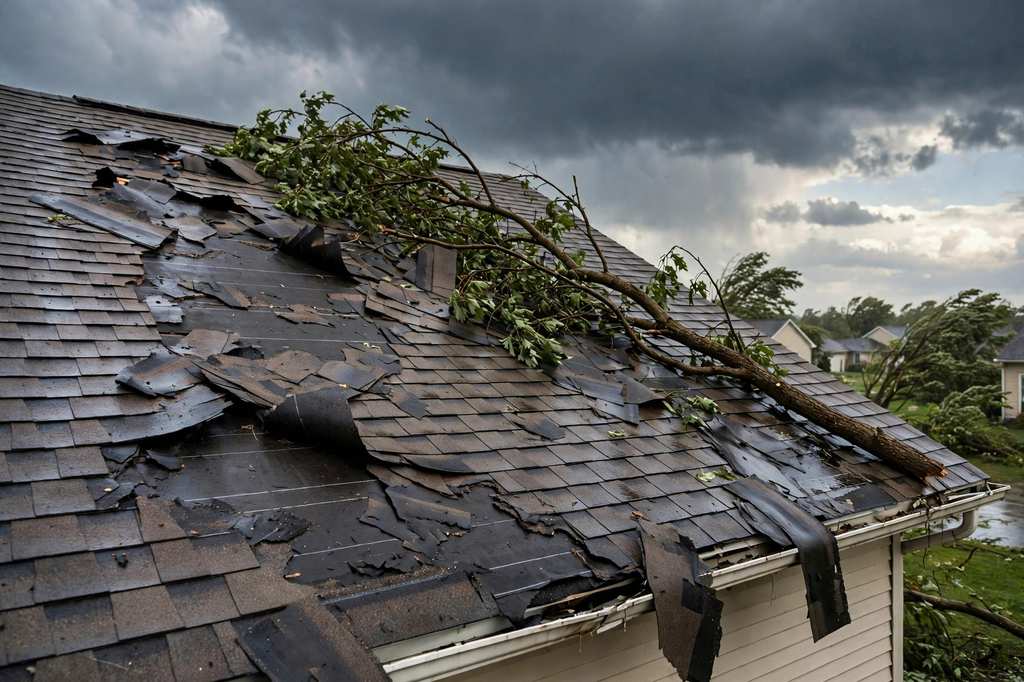
A wind event peels shingles off one slope and rain is coming.
A temporary cover over the open area is discussed on the call, then shingles are replaced and the field resealed once the weather clears.
Outcome: Water entry is limited while the repair is scoped.
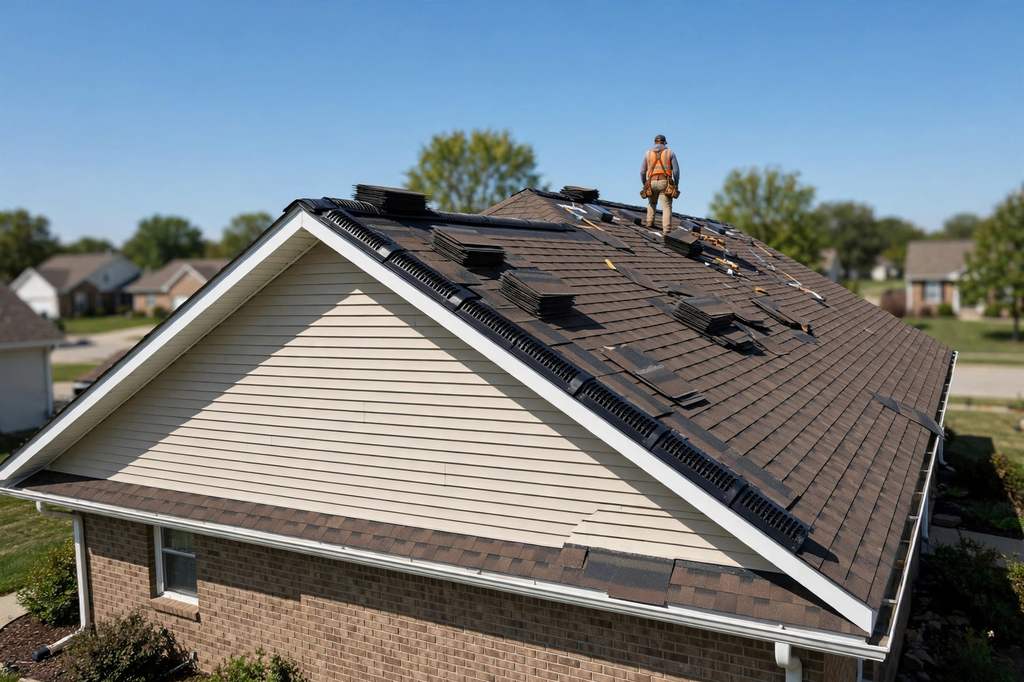
A new roof is wanted, but it is unclear whether repair or replacement is the scope.
The roof is inspected and photographed, and both options are laid out so repair and replacement can be compared on the condition of the whole roof.
Outcome: The decision rests on the condition of the whole roof, shown in photos and in writing.
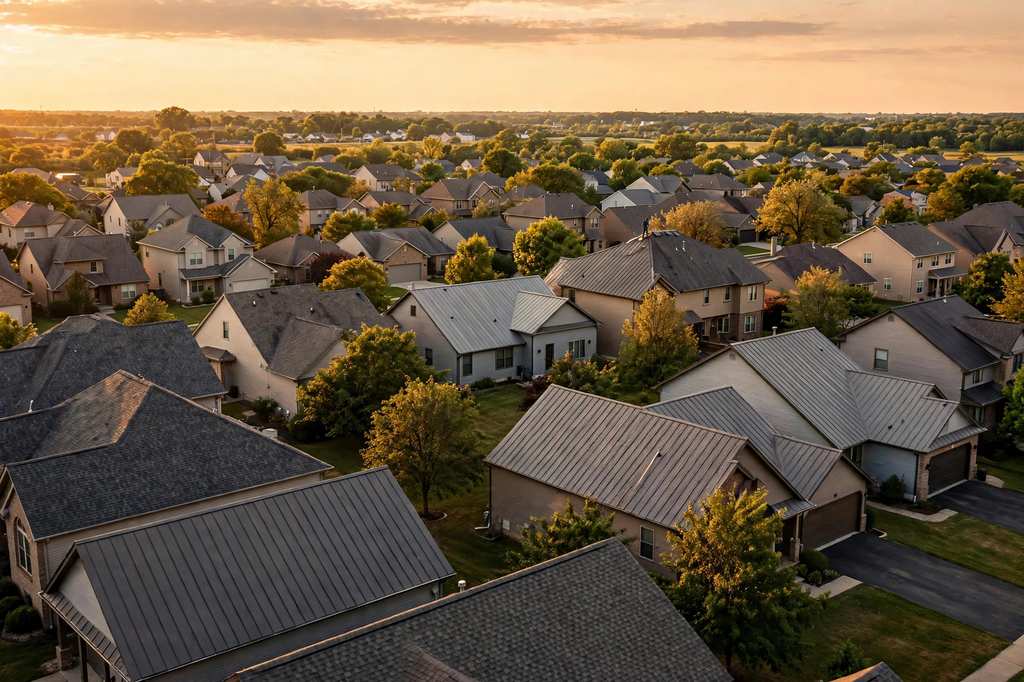
Urbandale roofs take spring hail, summer heat on south and west slopes, and winter freeze-thaw cycles at the eaves. The 2018 code editions adopted by the City set the criteria a shingle system is installed to: 30 psf ground snow load, 115 mph wind speed, a minus 5 degree winter design temperature, and ice shield required. Fastening follows the manufacturer instructions under the 2018 code.
Ventilation and ice barrier are sized to the house, not to a template. The written scope describes the tear-off, the deck check, the underlayment and ice barrier, the flashing, and the ventilation plan before work starts.
Before: A spring hail event bruised one slope and knocked granules into the gutters. A ceiling stain was starting, and it was unclear how far the damage reached.
After: Damaged shingles are replaced, the chimney is re-flashed, and the field is sealed. The repair is photographed, and the documentation is kept for the homeowner's own records.
Have the roof inspected regularly, and clear the gutters each fall so the repaired area stays dry.
Before: A worn roof with curling shingles across both slopes and soft decking near the valleys. Two layers of old shingle were trapping heat and hiding rot.
After: Both layers are torn off, soft decking is replaced, and a new shingle system goes on with ridge vent. The 2018 re-roofing provisions do not allow a recover where two or more applications are present.
Keep the ridge vent clear and check sealant wear regularly.
Before: Water stained the ceiling near the chimney after every heavy rain. The flashing had pulled away from the brick and the step flashing was rusted through.
After: Chimney flashing is rebuilt with new step and counter flashing and sealed. The stain is checked again after the next rain.
Check chimney flashing sealant each spring and after major storms to catch separation early.
Most shingle roof calls start with one of these four problems. The cause is diagnosed, not just the symptom.
A watertight shingle roof that holds through Iowa storms.
After a hail or wind event, an asphalt shingle roof can be repaired shingle by shingle instead of replaced whole. Replacement shingles are selected to sit alongside the existing field, and flashing is resealed.
Asphalt shingles are the most common roof surface in the city, so the layers, the flashing details, and the ventilation setup are familiar to every roofer working on them. That familiarity keeps inspection and repair straightforward.
A shingle tear-off strips to the deck, and ice barrier and underlayment go down as the dry-in layer. If rain is coming, the deck is covered. The sequence is described in the written scope before work starts.
Asphalt shingles show wear plainly, so inspection catches curling shingles, clogged gutters, and flashing failure before decking is damaged. That visibility is why regular inspection matters for a shingle roof.
Clear records to keep and share.
Images of damage and completed work
Materials and steps listed
Work performed and walkthrough notes
Three-tab, architectural, and impact-resistant shingles differ in build and in how they handle hail. Cedar, slate, and tile appear below for comparison only — they have no pages on this site.
The legacy flat shingle, one layer thick
Dimensional shingles, the common grade
Class 4 rated shingles for hail exposure
A mailing address can carry a neighboring city's name, and an Urbandale address can carry a neighboring ZIP code. A parcel record settles which city governs an address. Call and ask about a specific street.
The pages below hold roofing information for Urbandale plats and districts. Each page describes its area. Call and ask about a specific street.
No lifespan figure is published on this site. Service life depends on storm exposure, attic ventilation, installation, and maintenance, and hail, summer heat, and ventilation problems all shorten it. An inspection shows the condition of the actual roof rather than a number from a label.
This business publishes no prices on this site. The cost post reports dated, sourced third-party market data for replacement work, with conflicts between sources shown and geography labelled, and states plainly that none of it is this business's pricing.
The system matters more than the shingle alone: ice barrier at the eaves, attic ventilation, and fastening to the manufacturer instructions, as the 2018 code requires. Wind resistance runs through the code provisions for asphalt shingles, and the city's design wind speed is 115 mph. Impact-resistant shingle options exist — check with your insurer about how they are treated. No discount figure is published on this site.
Yes. Missing shingles, wind-lifted tabs, flashing failure, and isolated hail hits can be repaired without a full replacement. Replacement material is selected to sit alongside the existing field. Where damage is widespread, a replacement is the conversation instead.
Related pages from the services list.
Call Rocc Solid Construction at (641) 219-5108 to describe the shingle roof and ask about inspection, repair, or replacement. The listed hours are Open 24 hours, every day.
Call (641) 219-5108 to talk about a roofing question. The office is at 3815 109th St, Urbandale, IA 50322, United States, and the listed hours are Open 24 hours, every day.