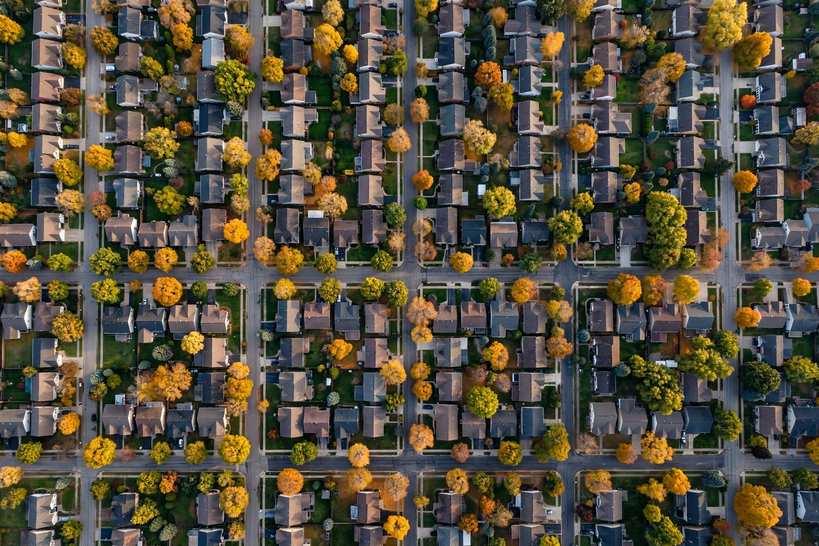
For Homes
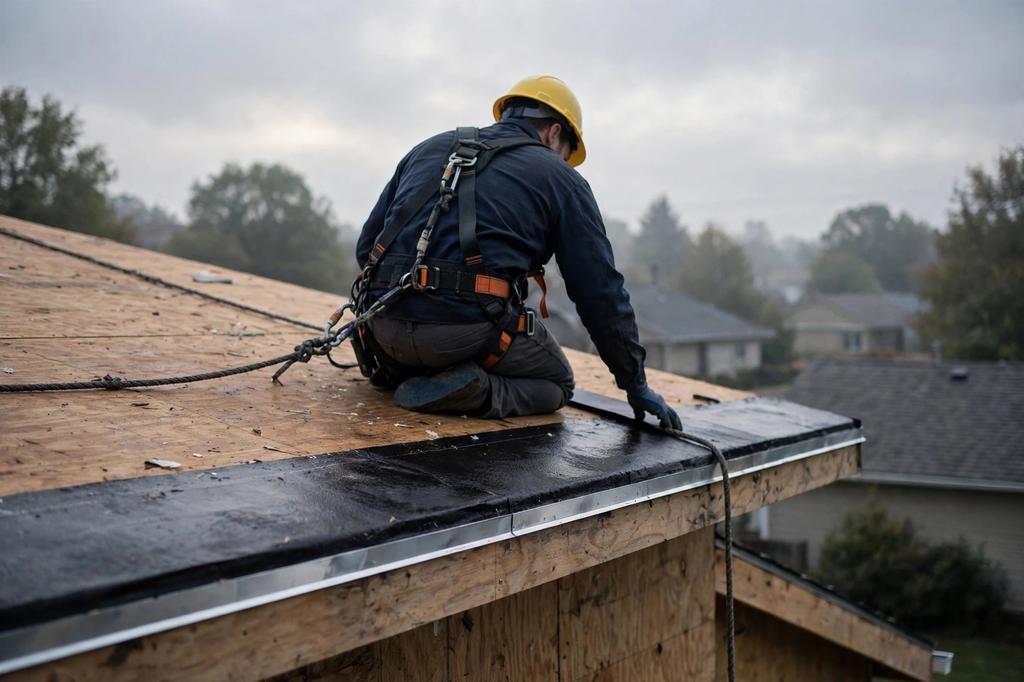
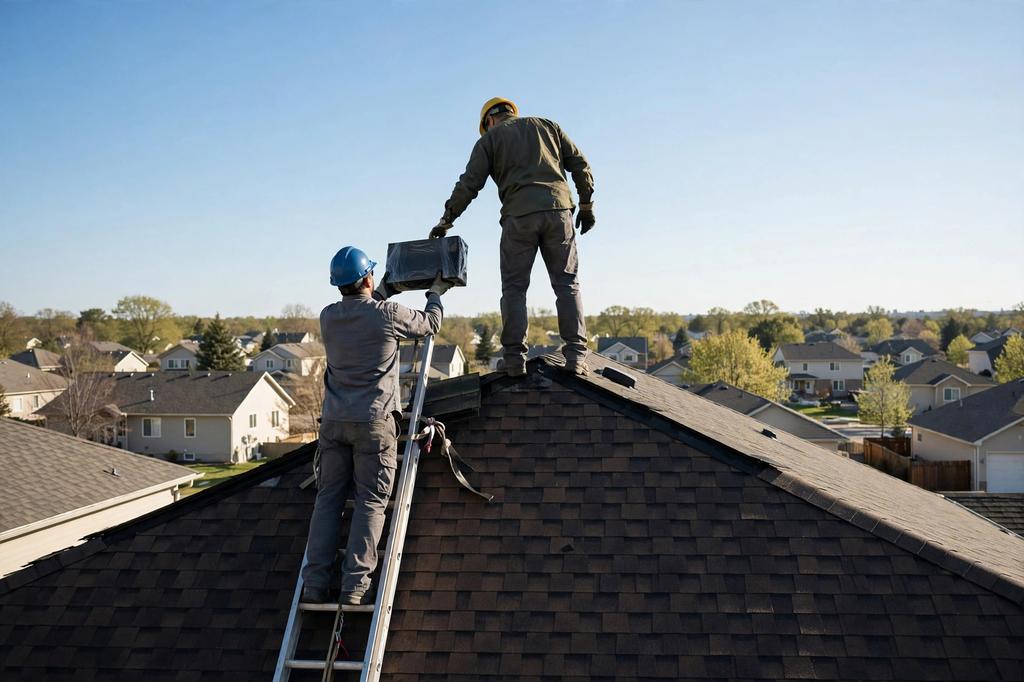
A ceiling stain, a missing shingle, or an ice dam gets a full inspection and a written scope before work starts. The yard is left clean.
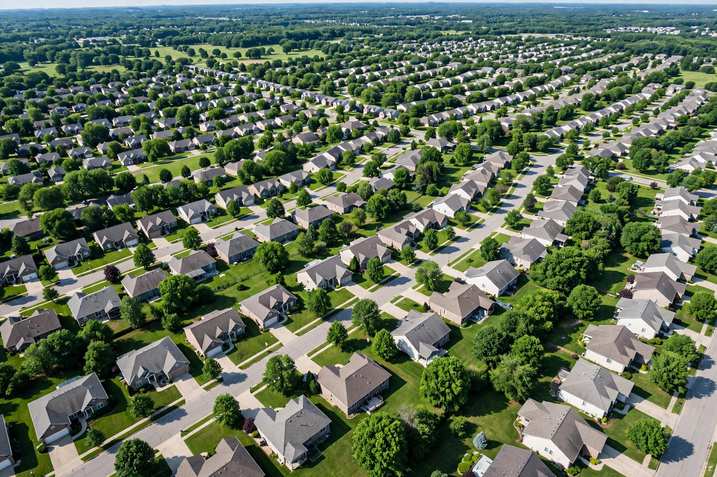
- Ceiling stain after rain
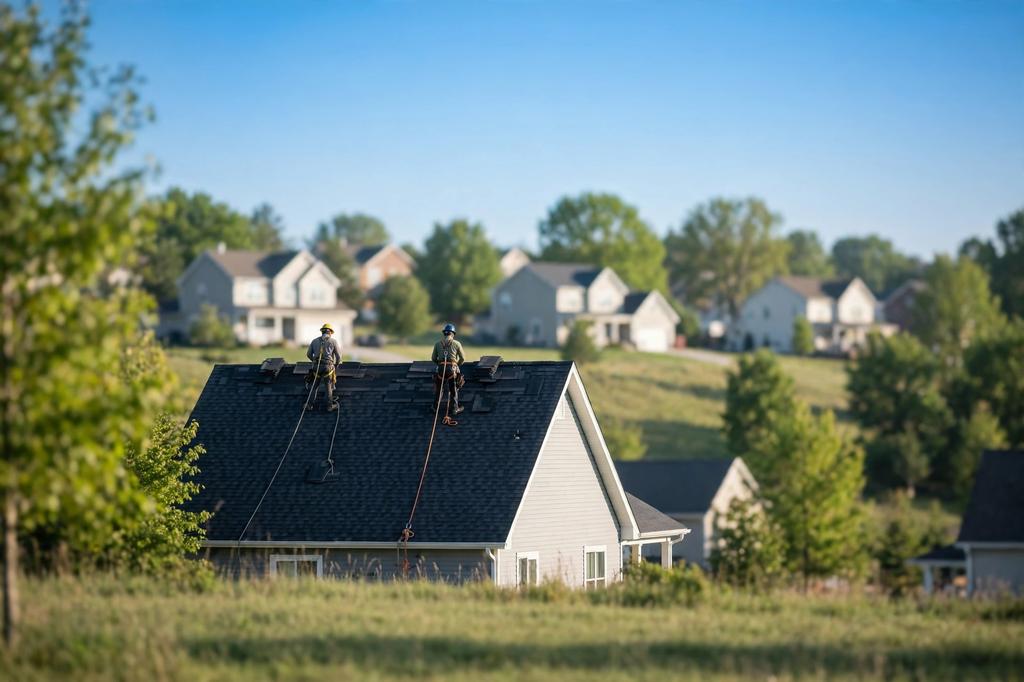
- Shingles missing after wind
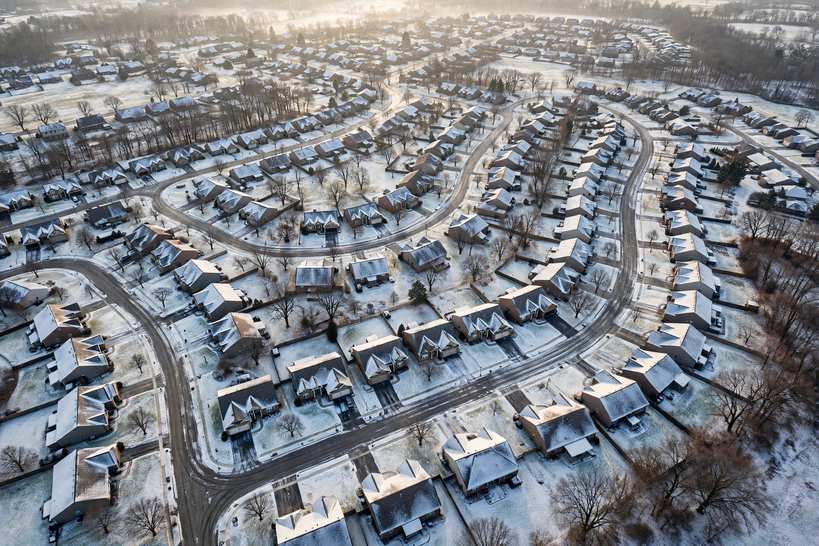
- Ice backing under the eaves
A roof repair Urbandale homeowners need usually starts with a ceiling stain, a missing shingle, or water backing up at the eave. This page covers leak repair and leak detection together: tracing water to its entry point, repairing the failed shingle, flashing, or boot, and checking the attic for moisture.
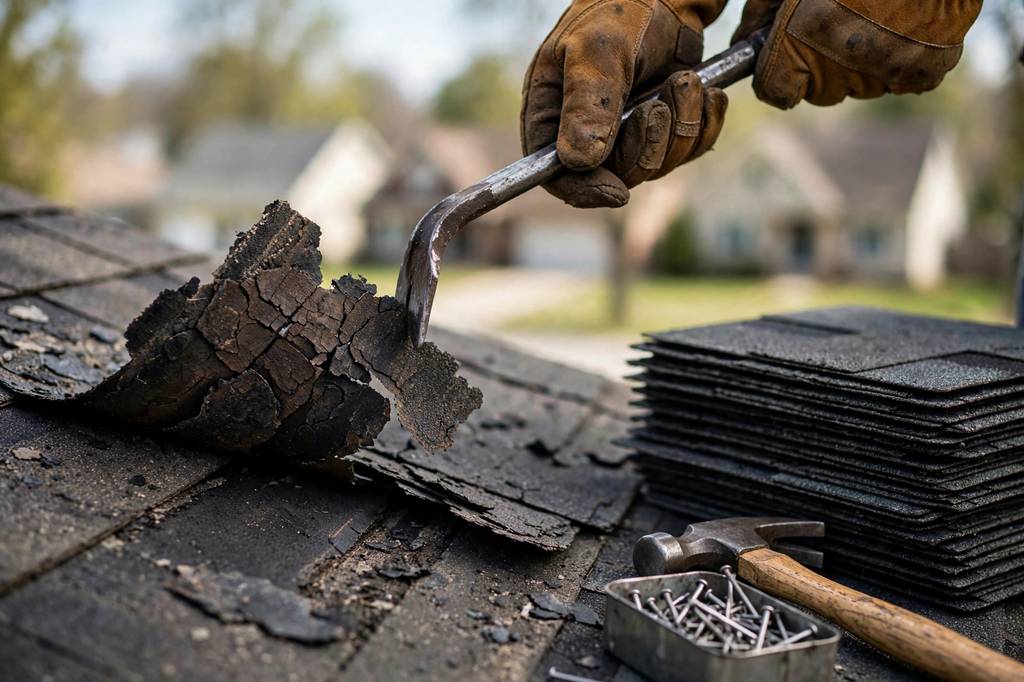 Leak source tracedFailed area repairedPhoto record kept
A repair starts with inspection and ends with a photo record. The items below describe a standard repair visit. Anything beyond the original scope that the inspection turns up is described separately before work starts.
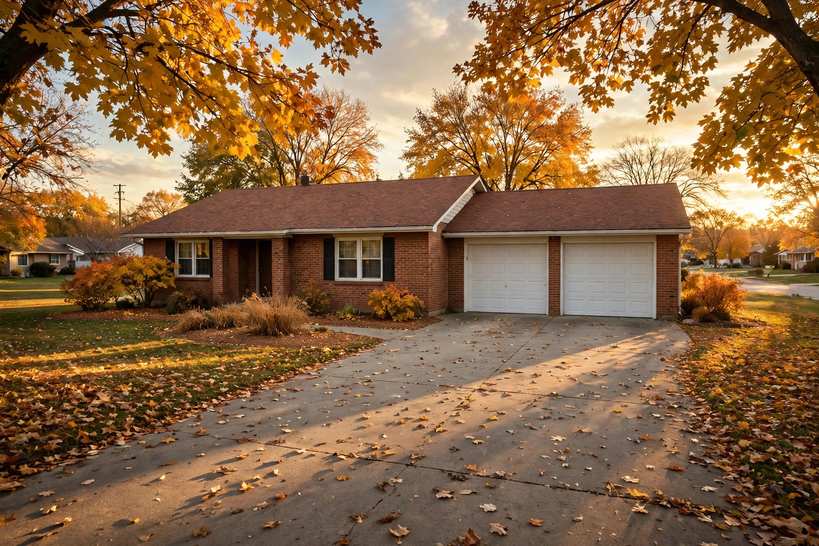
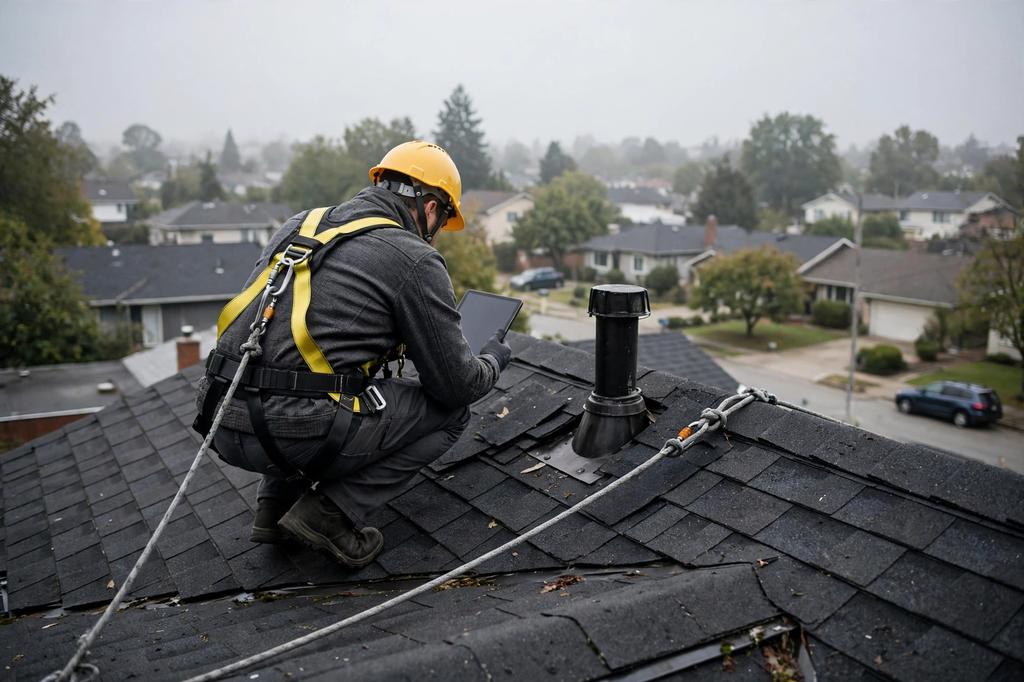
The roof is walked, the attic side is checked with a moisture meter, and the flashing, valleys, and penetrations are photographed. That is how the actual leak source is confirmed.
Water travels along decking and rafters, so a ceiling stain is rarely directly under the entry point. The water path is traced from the attic side back to where it gets in.
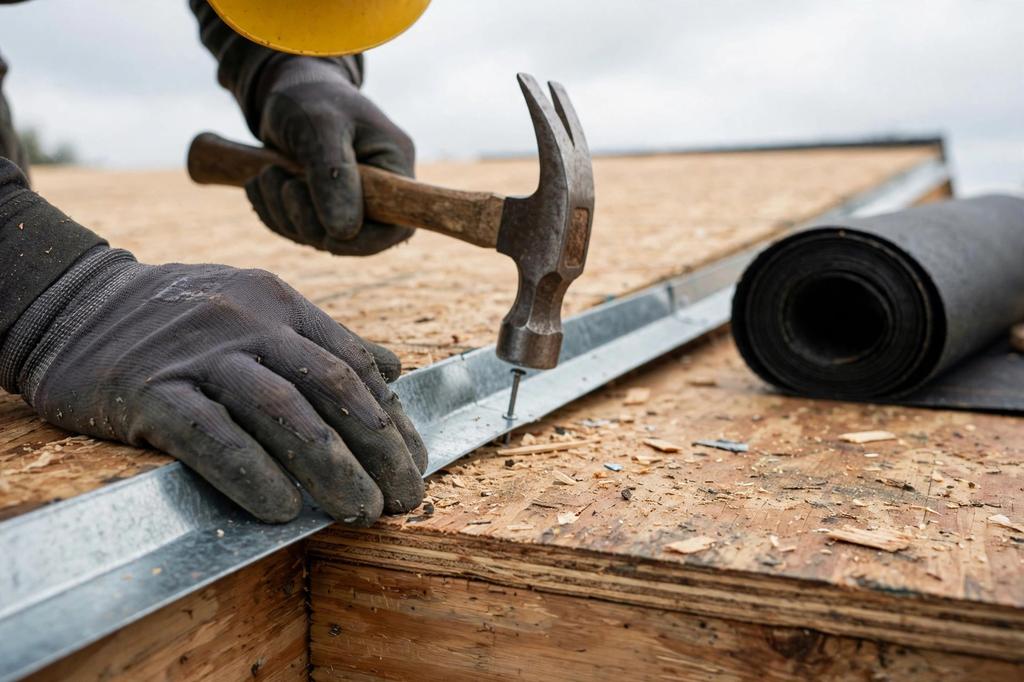
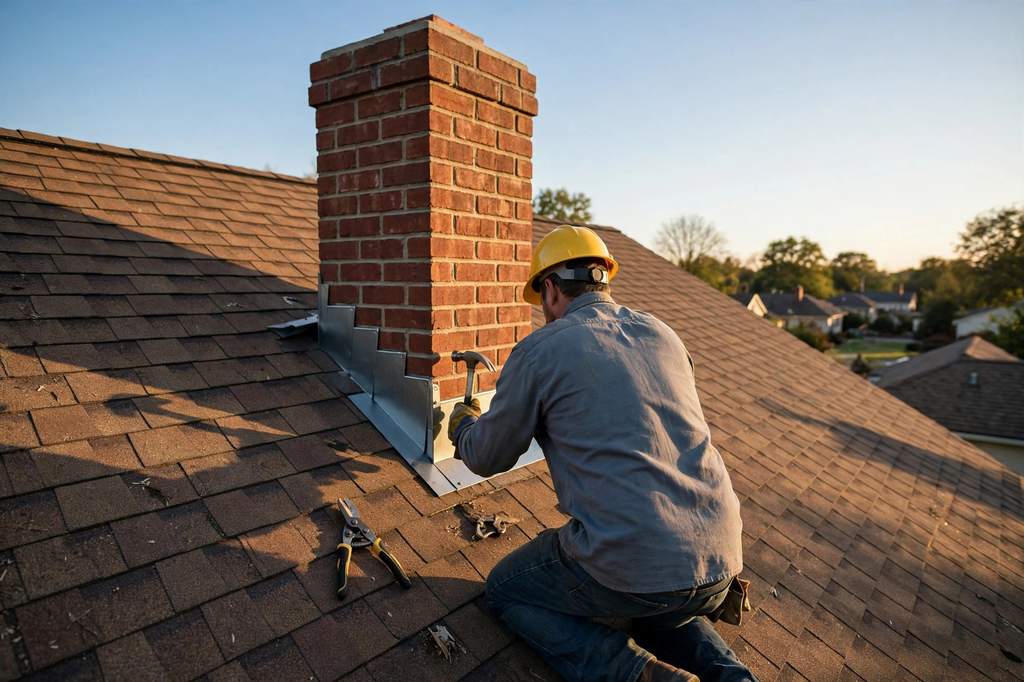
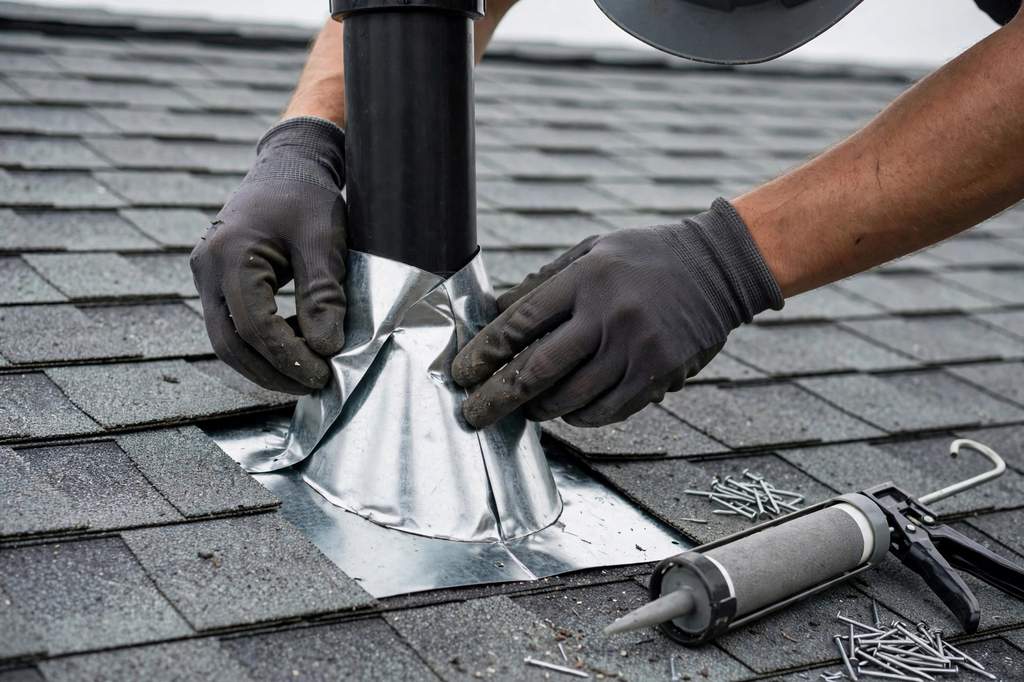
Failed flashing is a common leak cause. Step flashing is rebuilt, pipe boots are resealed, and valley metal is replaced where needed, with ice barrier beneath the repair.
Old shingles, nails, and flashing go into a dump trailer, not the lawn. A magnet sweep runs over the driveway and walkways before the visit ends.
Dated photos of the damage and the finished repair go in the record, along with the material names used.
The approach is the same for a home and a business. What changes is the access, the schedule, and who needs the paperwork.
A ceiling stain, a missing shingle, or an ice dam gets a full inspection and a written scope before work starts. The yard is left clean.
Flat roof leaks and membrane failures are described on the commercial roofing page, with documentation for the property file.
A plain-language look at what a repair involves and when it is the right scope.
See how it worksRoof repair in Urbandale means restoring a roof's water-shedding performance without replacing the whole system: resealing flashing, replacing damaged shingles, patching underlayment, and correcting the ventilation that contributed to the failure. The work starts with a moisture meter and a deck inspection, and replacement material is selected to sit alongside what is already on the home.
Most repair calls start with a stain on a ceiling, a missing shingle after a wind event, or ice dams backing water under the eaves in January. Urbandale weather runs from summer hail and straight-line wind to freeze-thaw cycles. The leak patch post describes what a homeowner can check before calling, and the ceiling leak post explains why water shows far from where it enters.
Find the actual leak source first, then repair it and document the work.
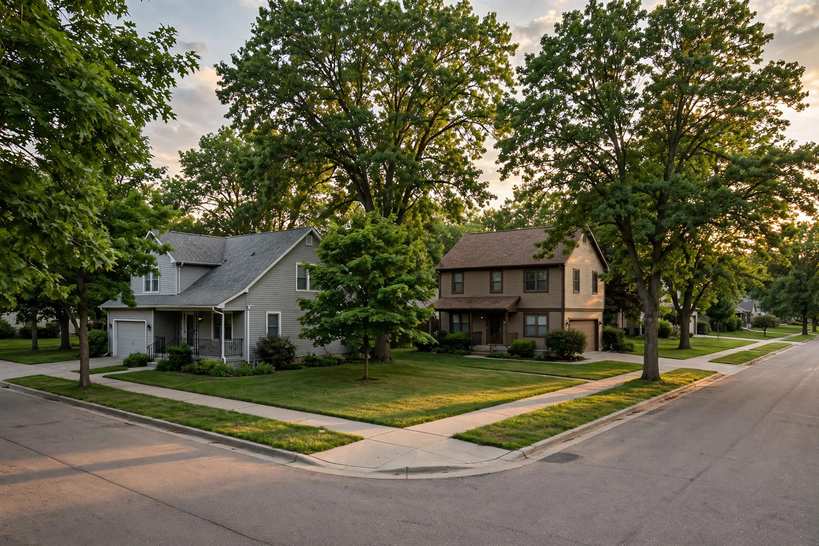
The stages below describe the sequence from the first call to the final walk-around.
Call (641) 219-5108 and describe what is showing: where the stain is, when it started, and whether there was a recent storm. That description shapes what the inspection looks at first. This site makes no response-time promises.
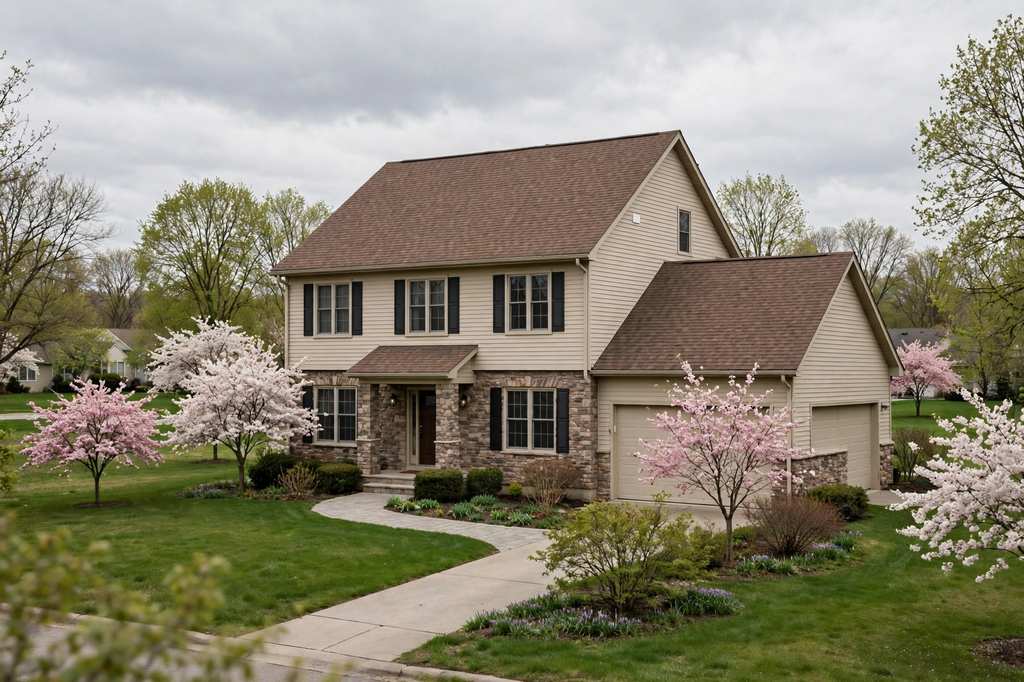
The roof is walked, the attic side is checked with a moisture meter, and the flashing, valleys, and penetrations are photographed. Gutters and downspouts are looked at too, because overflow at the eave can be mistaken for a shingle leak.
Photos are shown and what failed, and why, is explained. The written scope names the materials before any work starts. If a repair will not solve the problem, that is stated too, with what a replacement would involve.
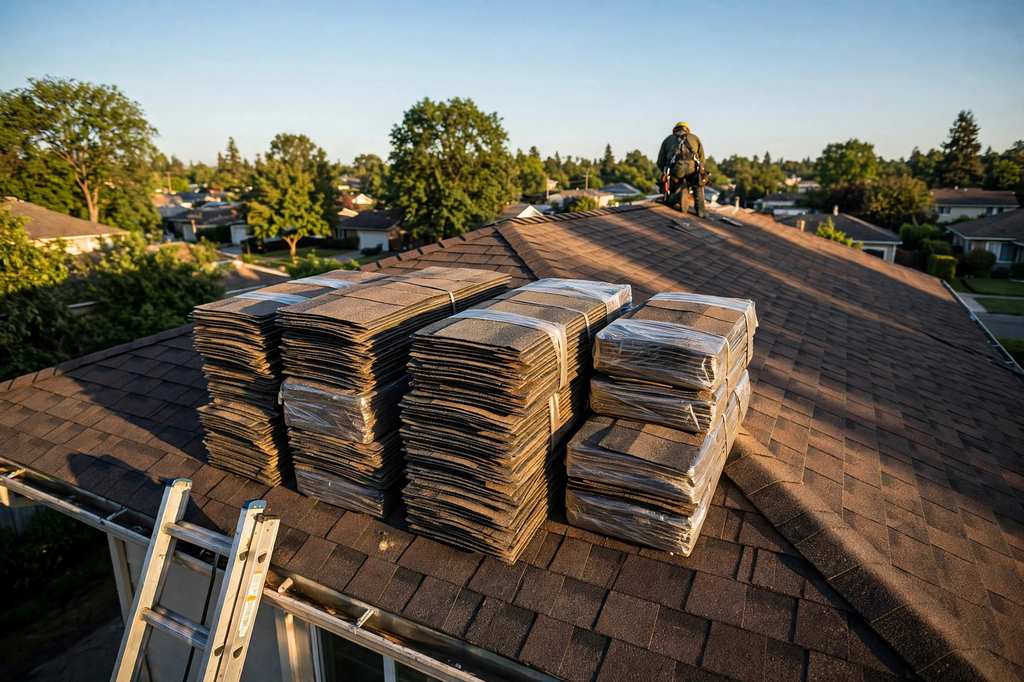
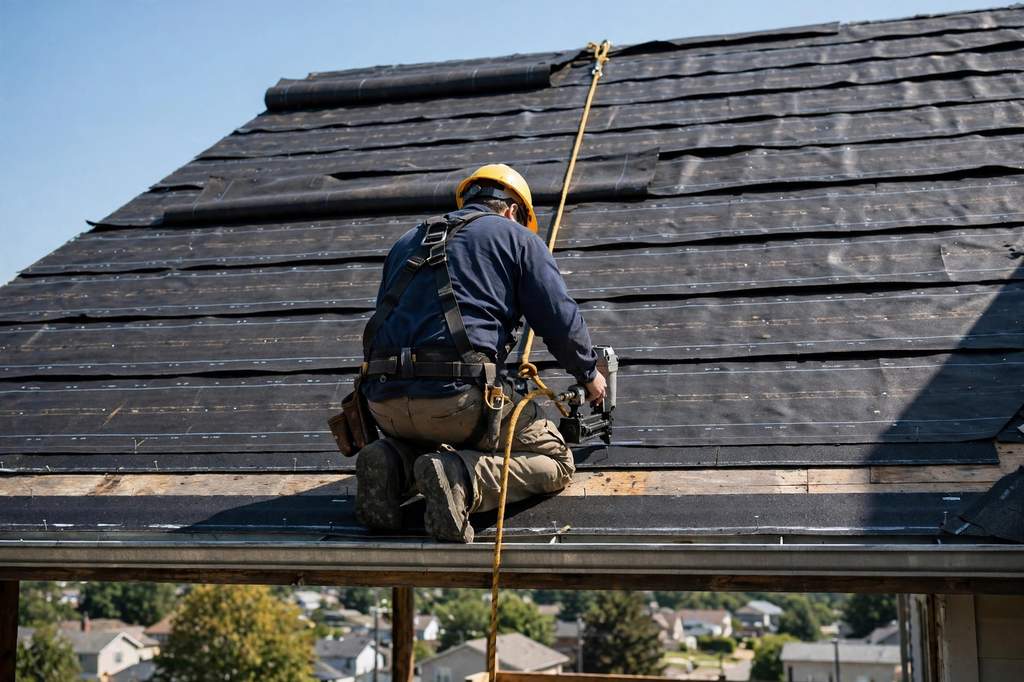
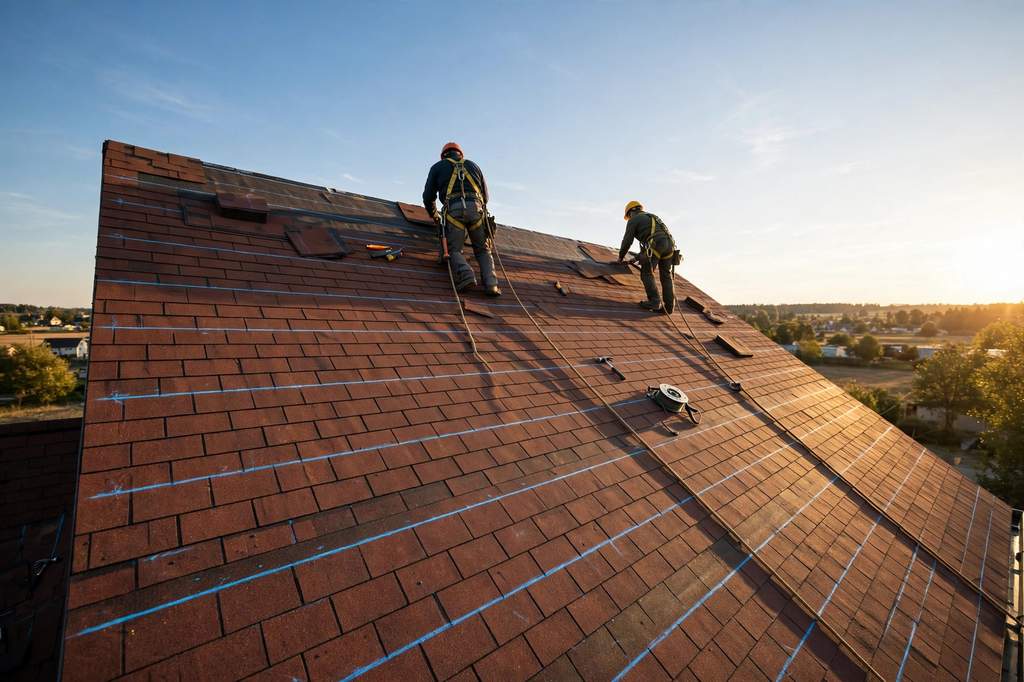
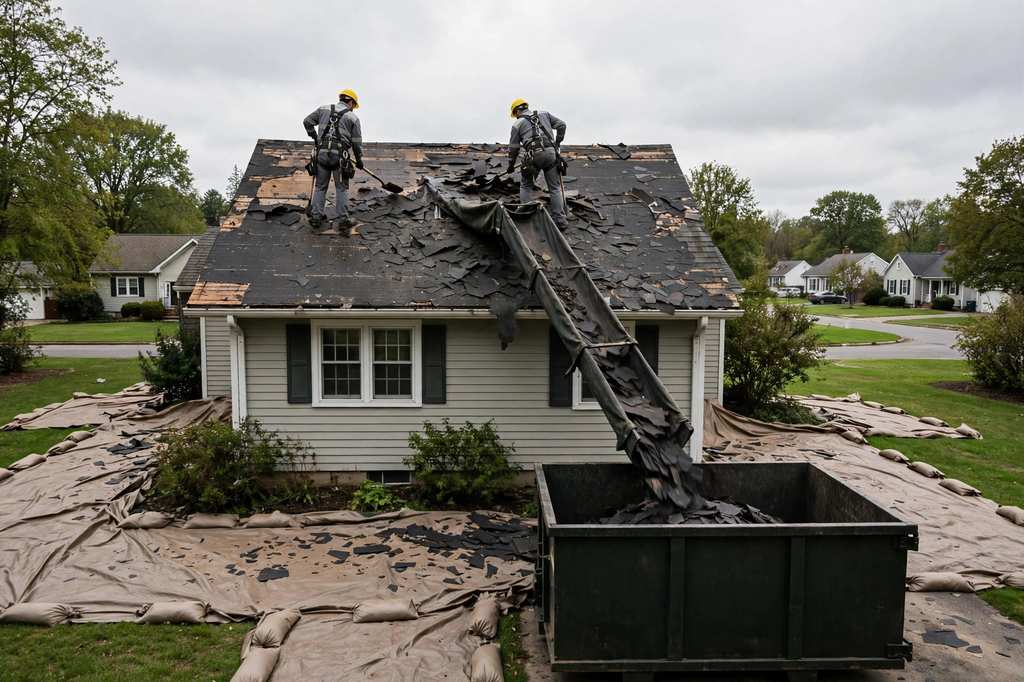
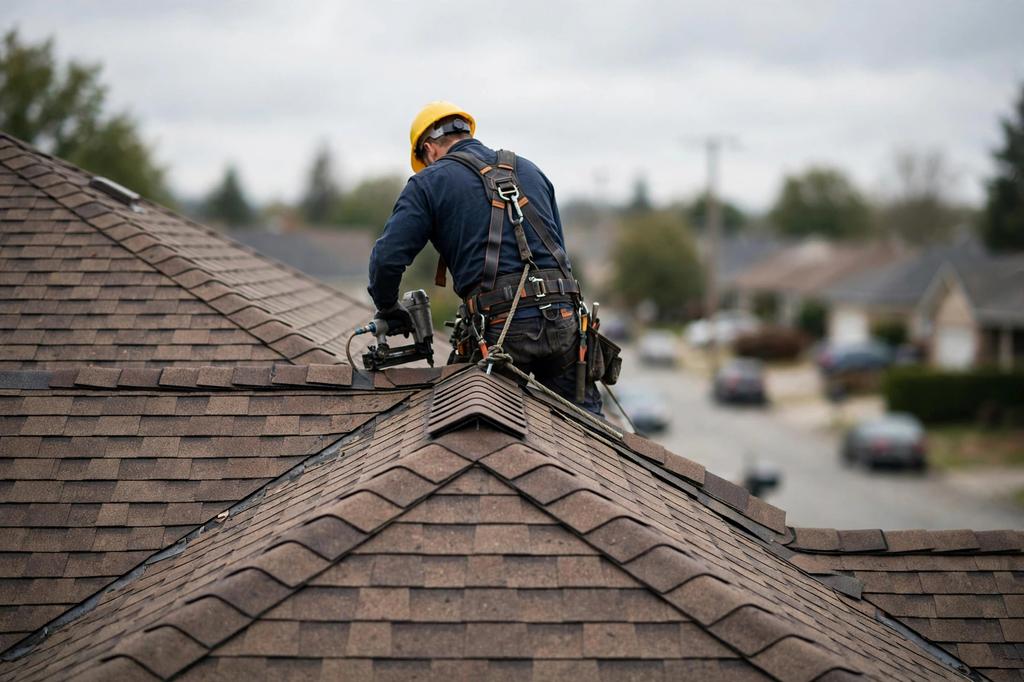
Landscaping is protected, ladders and a harness are set, and damaged shingles, flashing, or underlayment are replaced. Debris goes into a dump trailer, not the yard.
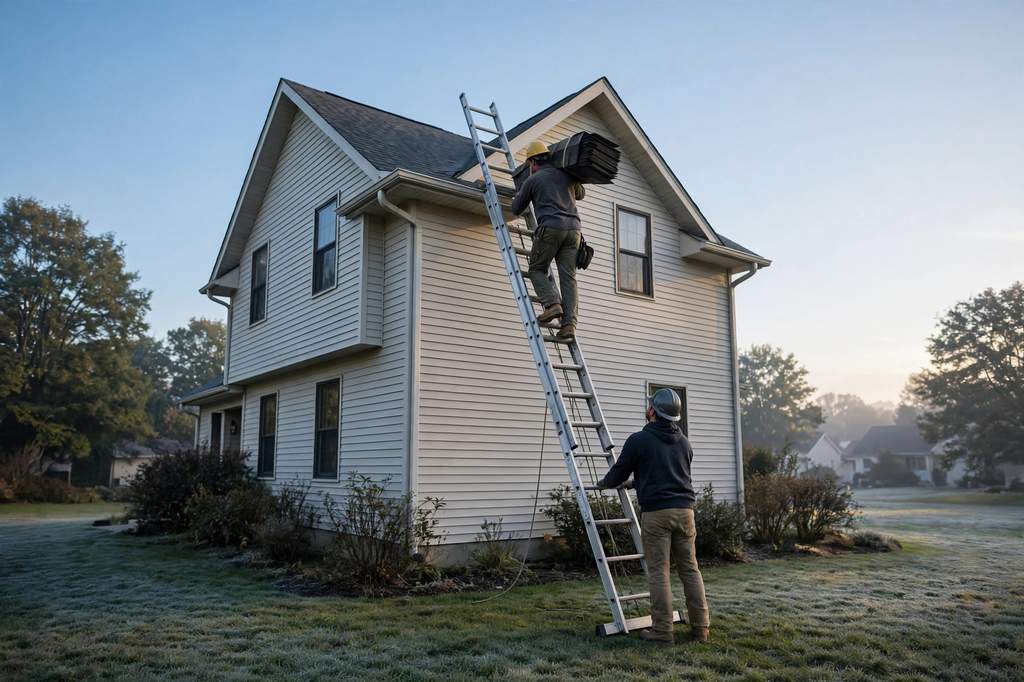
The repaired area is checked and the attic side is looked at again. A photo record of the finished work goes with the job, with a plain explanation of what to watch for.
Move across a circle, or focus it and press Enter, for an illustrative thermal view of the photograph.
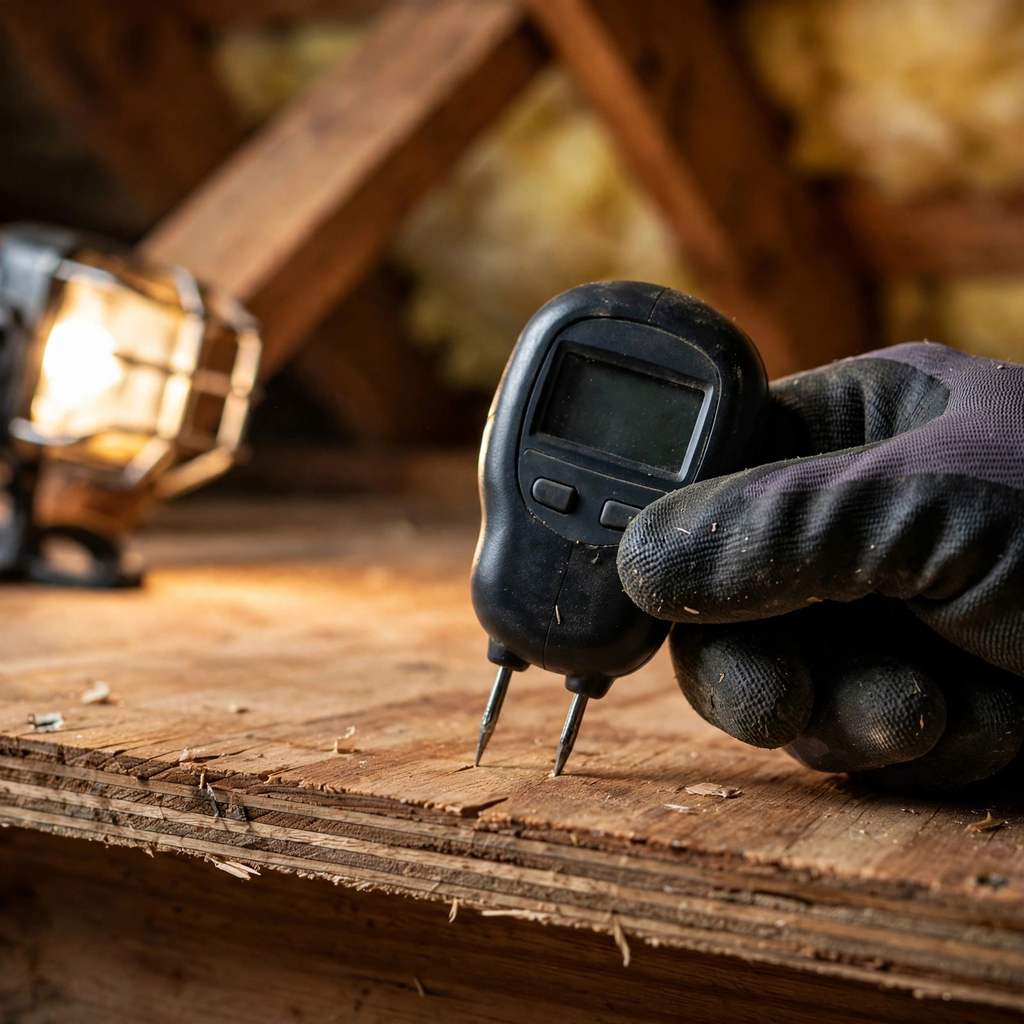
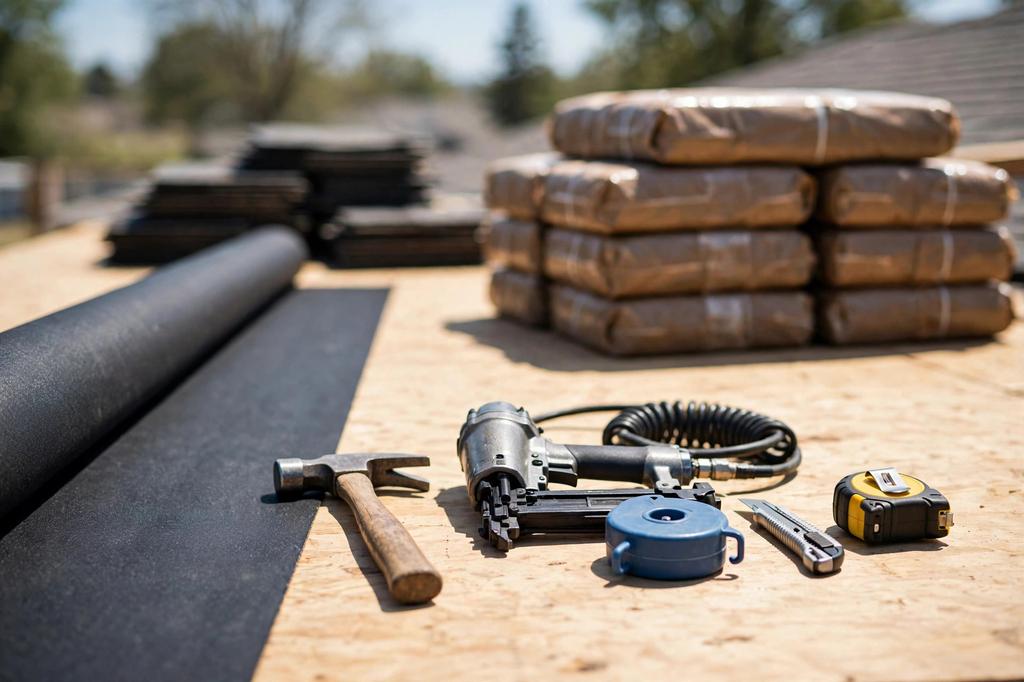
Reads moisture content in decking and insulation so the leak source is confirmed instead of guessed. It is the first tool out of the bag on a leak call.
Drives nails to the correct depth and pattern so shingles seal properly.
Cuts and sets replacement shingles cleanly for a repair that sits alongside the surrounding field.
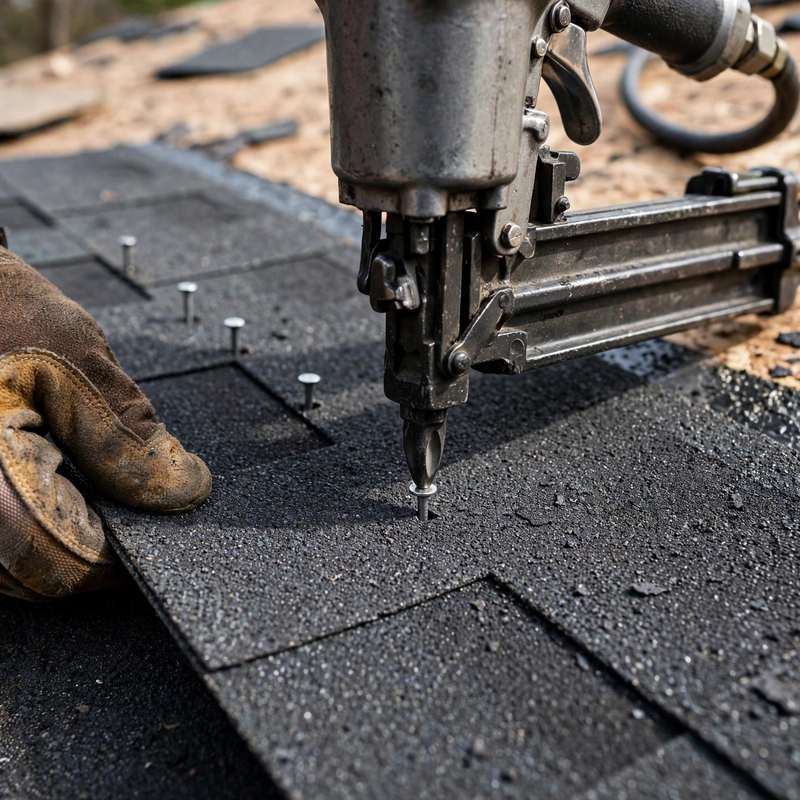
Lifts the shingle course above the repair without tearing it, and keeps the replacement course straight.

Ladder and harness setup for getting on and off the roof safely.
Thermal views are illustrative, generated from the photographs.
Cuts underlayment to fit and seals the repair area against water backup. Ice barrier at the eaves is part of the code criteria for this city.
The attic is checked with a moisture meter and the water path is traced back to its entry point. Water travels along decking and rafters, so the stain on the ceiling is rarely directly under the hole.
Instead of a surface patch, step and counter flashing are rebuilt with new metal and sealant. Flashing is a common failure point on a repair call.
The existing shingle profile is identified, and replacement material is selected to sit alongside the existing field. No product names are published on this site.
Repairs are photographed before, during, and after, with the material names recorded.
A storm just passed and shingles are in the yard.
The roof is inspected for wind and hail damage, open areas are discussed for a temporary cover, and damage is documented with dated photos for storm damage documentation for the insurer. This is general information, not legal or insurance advice — check your policy, agent, or carrier.
Outcome: The roof is documented, and the homeowner holds a dated photo record.
A buyer's inspection flagged the roof during a sale.
The flagged areas are inspected, a written repair scope is provided, and the work is recorded with photos for the transaction file.
Outcome: The repair is recorded, with a photo record available for the parties involved.
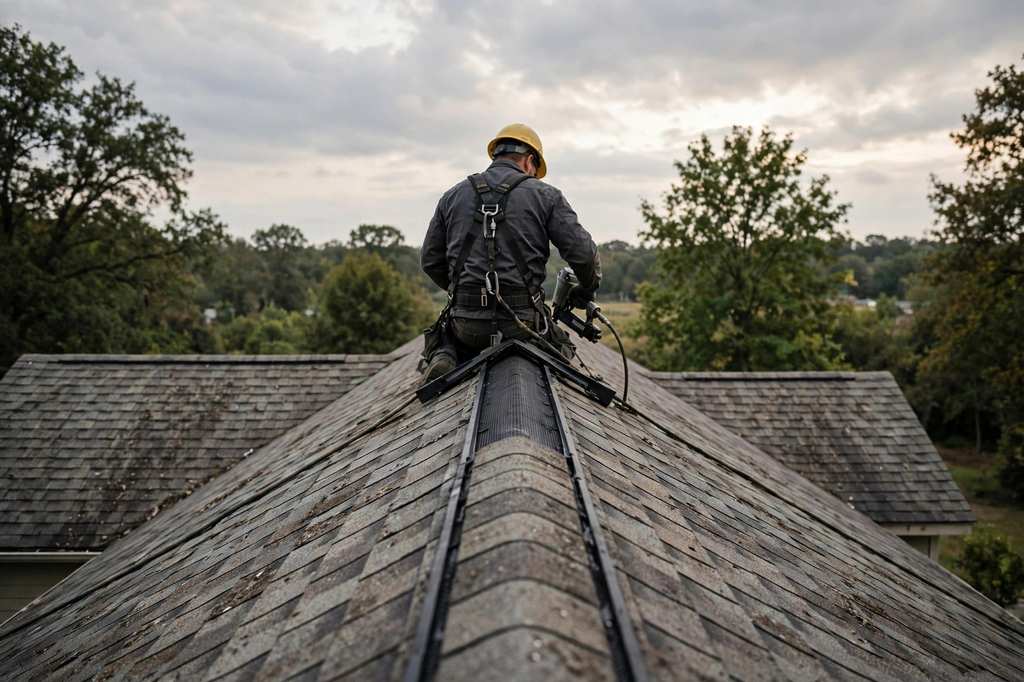
A small stain appeared after the first heavy rain of fall.
The leak is traced to its source, the flashing or shingle that failed is repaired, and the attic is checked for moisture. If the stain is old and dry, that is stated too.
Outcome: The leak is addressed before winter freeze-thaw, and the ceiling can be patched once it dries.
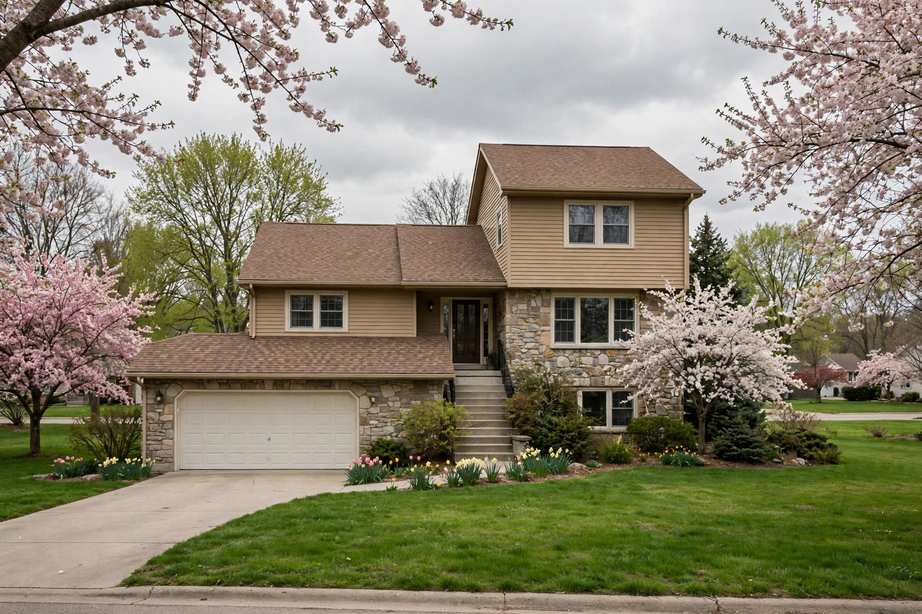
A building with a flat roof that keeps ponding.
The membrane, seams, and drainage are inspected, failed areas are patched, and drainage is described. Flat and low-slope work is covered in more detail on the flat roofing page.
Outcome: The leaks and the ponding are addressed, with a documented repair for the property file.
Ice is backing up under the eaves in January.
The water-damaged shingles and flashing are repaired, and attic insulation and ventilation are assessed, since ice-dam prevention runs through the attic. Ice-dam and snow removal work is not offered on this site.
Outcome: The immediate leak is addressed, and the attic assessment points at prevention for the next winter.
Urbandale roofs face hail that bruises shingle mat, straight-line wind that lifts tabs at the ridge, and freeze-thaw cycles that push ice under the eaves in January. The only Urbandale-named hail record found in the research is 1-inch hail on March 14, 2025. Broader hail figures describe the Des Moines metro, not Urbandale itself, and are labelled as metro figures wherever they appear on this site.
Repairs are sized for the city's design criteria — 30 psf ground snow load, 115 mph wind speed, and ice shield required — and ice barrier goes at the eaves as part of repair work near the roof edge. Whether a permit applies to a given repair scope is not stated in any City source located for this site; ask the City permit office about the specific project.
The repair conversation starts with what is showing inside and what the roof and attic show on inspection. Findings are photographed and described in a written scope before work starts.
Before: A summer storm lifted ridge cap and drove rain under the shingles. A ceiling stain appeared after the next rain.
After: The ridge cap is replaced, the ridge vent is resealed, and the damaged courses below are repaired. The attic is checked again after the next rain.
Check the ridge cap regularly, since that is where wind gets under first.
Before: A chimney leak that surface patches had failed to fix. Water ran down the chimney chase and stained the ceiling below in heavy rain.
After: Step and counter flashing are rebuilt with new metal and ice barrier, and the chimney crown is sealed.
Inspect chimney flashing regularly, since the crown and sealant take the most weather.
Before: Ice backing under the eaves in January, with water reaching an exterior wall. Attic insulation was thin and ventilation was undersized.
After: Damaged shingles and flashing are replaced, and insulation and ridge vent are assessed as part of ice-dam prevention. Removal work is not offered on this site.
Check attic ventilation and insulation depth regularly. A colder attic is what prevention aims at.
Most repair calls fall into a handful of categories. Knowing which one applies helps in understanding what the repair will involve.
A dry roof, a documented repair, and a written record of what was done.
A single flashing failure can push water into decking, insulation, and ceiling drywall in one heavy rain. The entry point is located with a moisture meter and repaired before rot sets in.
Replacement material is recorded, so there is a written record of what was repaired and what went in. That paperwork matters when a house changes hands.
Inspection shows how much of the roof is affected. If a repair addresses the failure, that is stated. If failures are spread, a replacement is the conversation instead.
Missing or curling shingles are often what an inspection flags. A documented repair, photographed before and after, keeps a record of condition on file.
Clear records to keep and share.
Dated before and after photos
Shingle profile recorded
Written summary of work done
Moisture check noted
A repair restores a specific failed area. A replacement resets the whole roof. The right scope depends on damage spread and remaining service life.
One failed area on an otherwise sound roof
A slope or valley with concentrated damage
Damage spread across the roof or past service life
A mailing address can carry a neighboring city's name, and an Urbandale address can carry a neighboring ZIP code. A parcel record settles which city governs an address. Call and ask about a specific street.
The pages below hold roofing information for Urbandale plats and districts. Each page describes its area. Call and ask about a specific street.
Water can travel along decking and framing before it shows inside, so the entry point is checked from the roof side and the attic side, with a moisture meter used to confirm damp decking and insulation. Leak detection on this page means tracing the water path to its entry point, not guessing from the stain alone.
Targeted work on the failed area: damaged shingles, flashing, pipe boots, valley metal, or underlayment, with the attic checked for moisture. A repair addresses a specific failure. Damage spread across the roof, or a roof at the end of its service life, is a replacement conversation instead.
Note where the water shows and when it started, photograph the stain and any visible roof damage from the ground, and call (641) 219-5108 to describe what is happening. This site makes no response-time promises. The emergency roof repair page explains the documentation steps in more detail.
No City source located for this site states a roofing permit trigger, threshold, or repair distinction, so this site does not state a permit rule for repair work. Ask the City permit office about the specific project before work starts.
Related pages from the services list.
Call Rocc Solid Construction at (641) 219-5108 and describe the stain, the missing shingles, or the water entry. The listed hours are Open 24 hours, every day.
Call (641) 219-5108 to talk about a roofing question. The office is at 3815 109th St, Urbandale, IA 50322, United States, and the listed hours are Open 24 hours, every day.